April 1, 2026Jerron Smith/14 min read

Motion Tracking: Free After Effects Tutorial

Master motion tracking in After Effects professionally

Core Motion Tracking Concepts

Point Tracking

Track specific points in video footage to follow movement. Essential for attaching graphics to moving objects in your video content.

Null Object Layers

Invisible layers that hold tracking data. They serve as parent objects to control the position and movement of visible elements.

Motion Tracker Workflow

Complete process from setting up trackers to applying data. Includes analyzing movement patterns and parenting layers for seamless integration.

Topics Covered in This After Effects Tutorial:

Point Tracking, Motion Tracking, Null Object Layers, Working with Multiple Trackers, Importing After Effects Comps

Exercise Preview

preview motion tracking

Exercise Overview

In this comprehensive exercise, you'll master After Effects' Motion Tracker—a professional-grade feature that enables you to seamlessly integrate graphics into video content. Motion tracking is essential for creating convincing composite shots where animated elements must follow the natural movement of objects within live footage. This technique is fundamental to modern post-production workflows across advertising, film, and digital media.

Project Goal

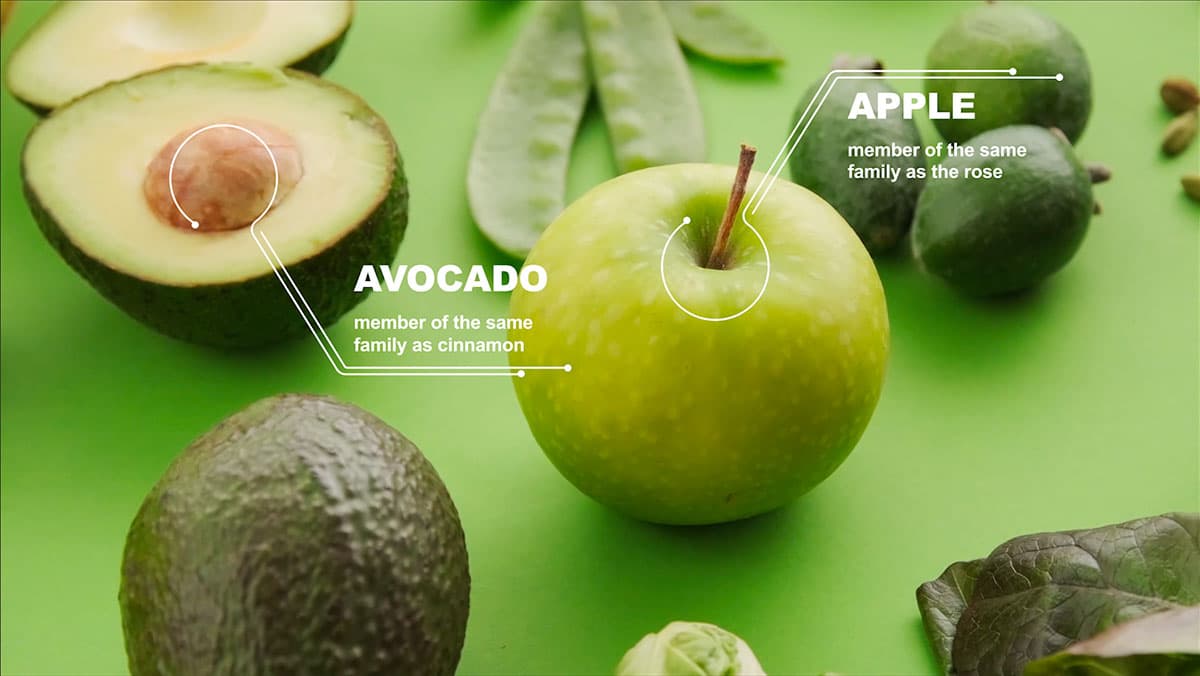
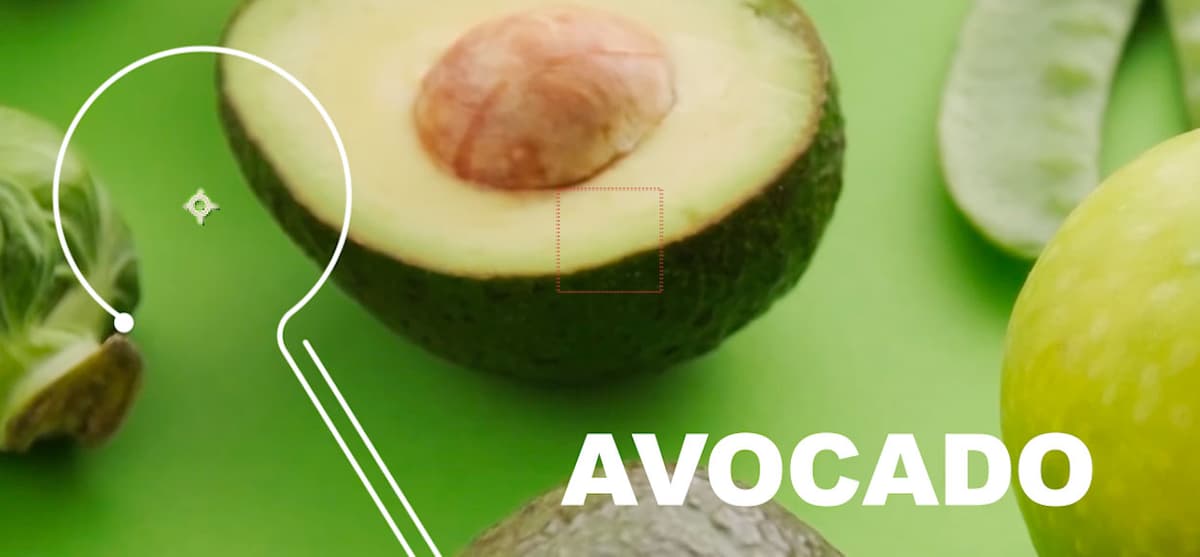
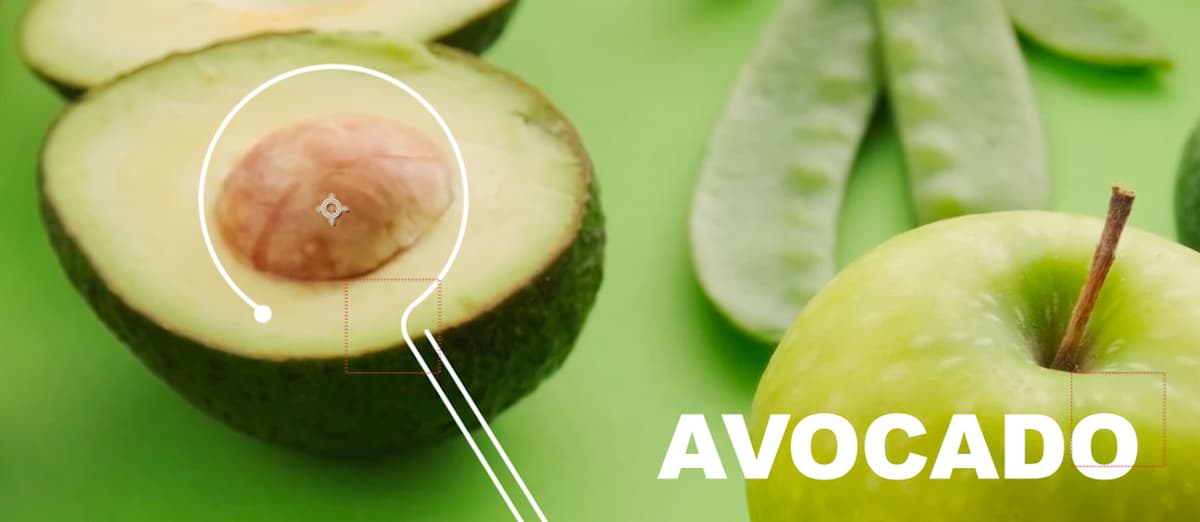
You'll create animated graphics that stick to fruit in a video, making them appear naturally attached as the camera moves. This demonstrates real-world motion tracking applications.

Previewing the Final Video

  1. Let's examine the final result before diving into the technical process. If you're currently in After Effects, keep it open but switch to your Desktop to review the completed project.
  2. On the Desktop, navigate to Class Files > After Effects Class > Motion Tracking > Preview Movie and double–click Fun Facts about Fruit.mp4 to launch the preview.
  3. Observe these key technical elements that demonstrate successful motion tracking:

    • Animated graphics are precisely composited over the video footage with perfect registration.
    • The graphics maintain their spatial relationship to specific fruits, creating the illusion they're physically attached to the moving objects.
  4. Study the movement carefully—replay the video to understand how the tracking data drives the graphic positioning. Close the preview when you've analyzed the motion behavior.

Now that you've seen the target result, let's configure your workspace for optimal tracking performance.

Setting up the Workspace

  1. In After Effects, navigate to Window > Workspace > Standard to establish the optimal panel layout for motion tracking work.

  2. Choose Window > Workspace > Reset "Standard" to Saved Layout to ensure you're working with the default configuration.

  3. If the After Effects window doesn't occupy your full screen real estate, maximize it for better visibility during tracking operations:

    Mac: At the top left of the window, click the green button (the third button).
    Windows: At to the top right of the window, click the Maximize button (the middle button).

Workspace Setup Process

1

Reset Standard Workspace

Navigate to Window > Workspace > Standard, then reset to saved layout for optimal panel arrangement

2

Maximize Window

Click green button (Mac) or maximize button (Windows) to ensure full screen workspace visibility

3

Open Project File

Load Motion Tracking—Started.aep from the Class Files folder and save with your name

Getting Started

  1. In After Effects, if you have a project currently open, choose File > Save to preserve any existing work before proceeding.

  2. Choose File > Open Project and locate your source files:

    • Navigate to Desktop > Class Files > After Effects Class > Motion Tracking.
    • Double–click on Motion Tracking—Started.aep to open the prepared project file.
  3. Immediately create your working copy by choosing File > Save As > Save As and:

    • Name the file Your Name—Motion Tracking.aep and
    • Save it into Desktop > Class Files > After Effects Class > Motion Tracking.

With your project properly organized, you're ready to begin working with the source footage and establishing compositions optimized for tracking.

Creating Compositions from Footage

Professional motion tracking workflows require precise synchronization between your composition settings and source footage specifications. When working with video footage for tracking, it's critical that your composition exactly matches the video's dimensions, frame rate, duration, and other technical parameters. This ensures tracking accuracy and prevents interpolation artifacts that can compromise your results.

  1. In the Project panel, expand the 01—Video folder to access your source footage.

    • Double–click Green Fruits and Vegetables.mp4 to open it in the Footage panel for detailed inspection.
  2. At the bottom left of the Footage panel, click the Preview Time button preview time menu 0 footage to navigate to a specific timecode.
  3. Type in 815 and hit OK to jump to the optimal ending point for this exercise.

  4. At the bottom of the Footage panel (below the time ruler), click the Set Out Point button out point to establish the clip boundary.

    This editorial decision trims the clip's out point to the current playhead position. When this footage is used in compositions, only the defined active area will be visible on the timeline, streamlining your workflow and reducing processing overhead.

  5. Close the Footage panel by clicking the X to the left of the tab.

  6. In the Project panel, CTRL–click (Mac) or Right–click (Windows) on Green Fruits and Vegetables.mp4 and choose New Comp from Selection.

    This automated process creates a new composition that inherits all technical specifications from the video file, ensuring perfect compatibility for tracking operations.

  7. Drag the new comp Green Fruits and Vegetables out of the 01—Video folder to improve project organization.

  8. With the Green Fruits and Vegetables comp selected, establish a more descriptive name:

    • Hit Return (Mac) or Enter (Windows) to make the name editable.
    • Rename the comp Fun Facts about Fruit
    • Hit Return (Mac) or Enter (Windows) again to finalize the change.

Now you'll set up the infrastructure for tracking multiple objects within your footage using null object layers.

Composition Settings Best Practice

Always create compositions from video selection to automatically match dimensions, frame rate, and duration. This ensures optimal tracking accuracy and prevents resolution mismatches.

Motion Tracking Video: Tracking the Avocado

After Effects' built-in point tracker analyzes the movement of specific pixel clusters within video footage, creating motion data that can be applied to other layers. This process enables graphics, text, or any layer to follow the natural movement of objects in your video. The key to successful tracking lies in selecting high-contrast features with distinctive characteristics that remain visible throughout the shot duration.

  1. Click on the Timeline to make it the active panel and ensure proper focus for the following operations.
  2. Choose Layer > New > Null Object to create the first tracking target.

    • Rename the new [Null 1] layer to Avocado Pos
  3. Press Cmd–D (Mac) or CTRL–D (Windows) to duplicate the null object layer.

    • Rename the new layer Apple Pos
  4. Move the playhead to the beginning of the timeline to establish the starting point for tracking analysis.

  5. CTRL–click (Mac) or Right–click (Windows) on the Green Fruits and Vegetables.mp4 layer and choose Track & Stabilize > Track Motion.

    This command opens both the Layer and Tracker panels. Note that tracking operations can only be initiated from the Layer panel, not the Composition panel.

    Setting Up Null Objects for Tracking

    1

    Create Null Objects

    Add two null object layers named 'Avocado Pos' and 'Apple Pos' to hold tracking data

    2

    Access Motion Tracker

    Right-click video layer and choose Track & Stabilize > Track Motion to open tracking panels

    3

    Position Track Point

    Move playhead to beginning and drag track point to avocado seed for optimal tracking reference

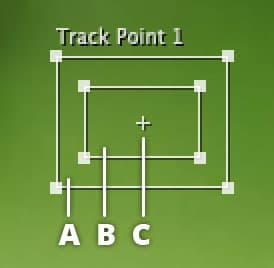
The 3 Parts of the Point Tracker

tracker

A = Search Region: The area After Effects searches to locate the pixels that are defined by the Feature Region. This should be large enough to accommodate the expected motion range.

B = Feature Region: The area of pixels to track. It should be a distinctive feature with maximum contrast and unique visual characteristics that won't be obscured during the shot.

C = Attach Point: Where the target layer's anchor point will be positioned. This can be offset from the tracked feature if needed.

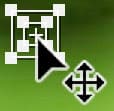
  • In the Layer panel, hover over Track Point 1 until the black move cursor appears, indicating you can reposition the tracker.

    track point move

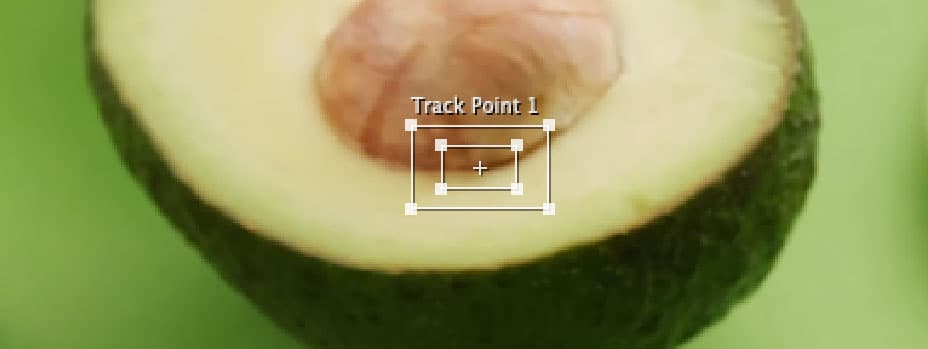
    • Drag Track Point 1 to the seed of the avocado—this dark, high-contrast feature provides excellent tracking characteristics.
    • Carefully adjust the control points of the Search and Feature regions to match this example, ensuring you enclose a high-contrast area with distinctive visual markers:

    track point avocado

  • In the Tracker panel, click Edit Target to specify where the tracking data will be applied:

    • Set Layer to 2. Avocado Pos
    • Click OK to confirm the target assignment.
  • In the Tracker panel, click Options to establish organizational parameters:

    • Set Track Name to Avocado Tracker
    • Click OK to save the configuration.
  • In the Tracker panel's Analyze section, initiate the tracking process:

    • Click the Analyze Forward tracker analyze forward button to begin frame-by-frame analysis.

    During tracking, this button transforms into a stop control. The tracker analyzes pixel changes from frame to frame, constructing a motion path that represents the object's movement. If you notice the track point beginning to drift from your intended target, immediately stop the track, return to the frame where tracking was accurate, refine your Feature and Search regions, then restart the analysis.

  • When the tracking analysis completes, click Apply at the bottom of the Tracker panel to transfer the motion data:

    • Set Apply Dimensions to X and Y to apply positional tracking data.
    • Click OK to apply the tracking data to the Avocado Pos null object.

    Depending on your current workspace configuration and panel layout, this operation may automatically return you to the Composition panel view.

  • With the avocado successfully tracked, you'll now repeat this process for the apple, demonstrating how to manage multiple tracking operations within a single composition.

    Point Tracker Components

    Search Region

    The outer boundary where After Effects looks for the tracked pixels. Should be large enough to accommodate movement but not include distracting elements.

    Feature Region

    The inner area containing the actual pixels to track. Must have high contrast and distinctive features for accurate motion analysis.

    Attach Point

    The precise location where the target layer's anchor point will be positioned. This determines exactly where tracked objects will appear.

    Motion Tracking Video: Tracking the Apple

    Each object requiring motion tracking needs its own dedicated tracker with individual analysis and configuration. This multi-tracker approach allows you to simultaneously track multiple elements within a single shot, essential for complex composite work involving multiple moving objects.

    1. Ensure the playhead is positioned at the beginning of the timeline and confirm your video layer is selected before proceeding with the second tracking operation.

    2. Click on the Layer panel tab (located adjacent to the Composition panel's tab) to continue with tracking the apple.

      Remember: tracker functionality is exclusively available in the Layer panel when the appropriate video layer is selected in the timeline.

    3. In the Tracker panel, click the Track Motion button at the top. This generates a second independent tracker dedicated to the apple tracking operation.

    4. In the Layer panel, hover over the newly created Track Point 1 until the black move cursor appears.

      track point move

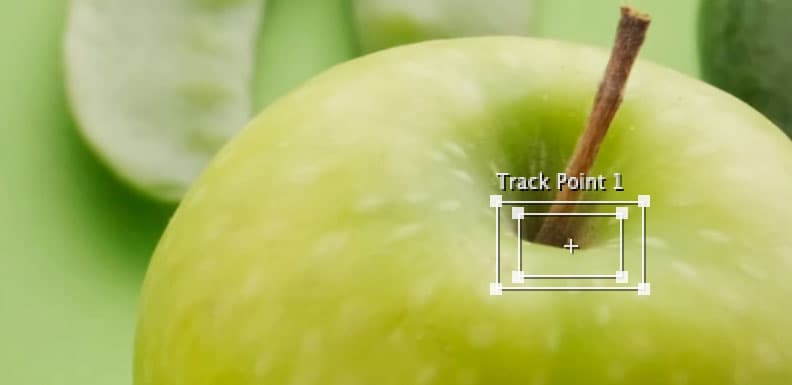
      • Drag Track Point 1 to the stem of the apple—this feature offers good contrast and definition for reliable tracking.
      • Adjust the control points of the Search and Feature regions to match this configuration, ensuring optimal tracking parameters:

      track point apple

    5. In the Tracker panel, click Edit Target to assign the tracking destination:

      • Set Layer to 1.Apple Pos
      • Click OK to confirm the assignment.
    6. In the Tracker panel, click Options to establish naming conventions:

      • Set Track Name to Apple Tracker
      • Click OK to save the settings.
    7. In the Tracker panel's Analyze section, execute the tracking analysis:

      • Click the Analyze Forward tracker analyze forward button to process the apple's movement.
    8. Upon completion of the tracking analysis, click Apply at the bottom of the Tracker panel:

      • Set Apply Dimensions to X and Y for positional data transfer.
      • Click OK to finalize the application.
    9. The interface should now display the Composition panel again, indicating successful completion of the tracking process.

    10. Scrub the playhead back and forth through the timeline and observe that both null object layers now accurately follow the movement of their respective fruits.

      Pro tip: If the null object layers are difficult to see in your composition, you can enhance their visibility by modifying the layer's label color in the timeline for better visual reference.

    11. Choose Window > Workspace > Reset "Standard" to Saved Layout to restore optimal panel arrangement.

    12. Choose File > Save or hit Cmd–S (Mac) or CTRL–S (Windows) to preserve your tracking progress.

    Now that you've successfully established tracking data for both objects, you'll import pre-built animated graphics and learn how to integrate external After Effects projects into your workflow.

    Multiple Tracker Requirement

    Each object in your video requires its own individual tracker. You cannot use one tracker for multiple objects, as each has unique movement patterns that must be analyzed separately.

    Importing After Effects Comps

    In professional production environments, projects are often divided among specialized team members to maximize efficiency and expertise. You might focus on motion tracking while a colleague handles graphic design and animation. After Effects' ability to import complete projects—including compositions, layers, and animations—facilitates this collaborative workflow and enables seamless integration of assets created by different team members.

    1. In the Project panel, select the 02—Nested Comps folder to organize your imported assets properly.

    2. Choose File > Import > File (or press Cmd–I (Mac) or CTRL–I) to begin the import process.

    3. Navigate to Desktop > Class Files > After Effects Class > Motion Tracking > Media > AE.

      • Double–click on Animated Callouts.aep to import the complete project.

      Important note: When importing After Effects projects, the operation functions like an advanced copy-paste command. While footage in the imported project maintains links to original source files, compositions and other After Effects-generated content are duplicated into your current project without maintaining links to the source project.

    4. In the Project panel, expand the newly imported Animated Callouts.aep folder to examine the available assets.
    5. Double–click the callout 01 composition to open it and inspect the animation structure.
    6. Use the Spacebar to preview the animation and study its construction.

      This animation demonstrates professional composition techniques using shape layers and text elements. Since it's built entirely with native After Effects layers rather than pre-rendered video, every element remains fully editable, giving you complete control over timing, styling, and content modifications.

    7. In the Timeline panel, click the X next to the callout 01 comp tab to close it and return to your main composition.

    With your animated graphics imported and tracking data established, you're ready to connect these elements using After Effects' parenting system.

    Importing vs Pre-rendered Graphics

    Pros
    Full editability of text and shape layers
    Easy collaboration between team members
    Ability to modify animations after import
    Native After Effects layer compatibility
    Cons
    Larger file sizes than pre-rendered video
    Requires source files to remain linked
    More complex project organization needed

    Applying Tracking Data to Layers with Parenting

    Now you'll combine your completed tracking data with the imported animated graphics. The parenting system in After Effects creates hierarchical relationships between layers, allowing child layers to inherit the motion characteristics of their parent layers while maintaining their own individual properties and animations.

    1. Drag the callout 01 comp from the Project panel into the left side of the Timeline, positioning it below the Avocado Pos layer for logical organization.
    2. Rename the callout 01 layer to Avocado Callout to clearly indicate its purpose and improve project organization.
    3. Move the playhead to 2;00 on the timeline.

      This timing places you near the end of the callout's animation cycle, allowing you to see its full scale and positioning for accurate placement adjustments.

    4. In the Tools panel, select the Pan Behind tool pan behind anchor point tool (or press the Y key for quick access).

      • In the Tool options area to the right of the Tools panel, ensure Snapping is unchecked to maintain precise control over anchor point positioning.
    5. Drag the Anchor Point anchor point of the Avocado Callout layer to the center of the circular graphic element.

      avocado 01

    6. In the Tools panel, return to the Selection tool selection tool (or press the V key) to resume normal layer manipulation.

    7. Carefully position the Avocado Callout so its anchor point anchor point aligns precisely with the avocado's seed—the same feature you tracked earlier.

      avocado 02

    8. In the Timeline, locate the Parent column to the right of the Avocado Callout layer and set the Parent menu to 2.Avocado Pos.

    9. With the Avocado Callout layer selected, press S to reveal the Scale property.

      • Change Scale to 60 to appropriately size the graphic for the composition
      • Press S again to hide the Scale property and clean up your timeline view.
    10. Use the Spacebar to preview the animation and verify the tracking integration.

      Success! The callout graphic now follows the avocado's position perfectly while maintaining its own animation characteristics.

    11. Drag callout 02 comp from the Project panel into the Timeline, positioning it below the Apple Pos layer.
    12. Rename the callout 02 layer to Apple Callout for clear identification.
    13. Move the playhead to the end of the timeline to observe the apple callout's animation at full scale.
    14. Select the Pan Behind tool pan behind anchor point tool (or press Y) to adjust the anchor point.
    15. Reposition the Anchor Point anchor point of the Apple Callout layer to the center of its circular design element.
    16. Move the playhead to 4;00 for optimal positioning reference.
    17. Switch back to the Selection tool selection tool (press V) to finalize positioning.
    18. Position the Apple Callout so its anchor point anchor point aligns with the base of the apple's stem—your tracked reference point.

    19. In the Timeline, set the Apple Callout layer's Parent menu to 1.Apple Pos to establish the tracking relationship.
    20. Press S to access the Scale property.

      • Set the scale to 60 to match the avocado callout's sizing
      • Press S again to hide the property for a cleaner workspace.
    21. Press [ to slide the beginning of the Apple Callout layer to the current playhead position, creating a staggered animation timing.

    22. Use the Spacebar to preview the complete animation sequence with both tracked elements.

    23. Save your progress with File > Save or Cmd–S (Mac) / CTRL–S (Windows).

    Your motion tracking integration is now complete, but let's explore one final technique that demonstrates the flexibility of working with native After Effects compositions.

    Parenting Process for Motion Graphics

    1

    Position Anchor Point

    Use Pan Behind tool to move anchor point to center of graphic callout for proper rotation reference

    2

    Align to Track Point

    Position graphic so anchor point sits over the tracked object location in the video

    3

    Set Parent Relationship

    Link callout layer to corresponding null object to inherit tracking motion data

    4

    Adjust Scale and Timing

    Scale graphic to 60% and adjust layer timing to match desired animation sequence

    Optional Bonus: Editing a Nested Composition

    One of the most powerful advantages of importing native After Effects projects over pre-rendered video is the ability to make real-time edits to nested compositions. This workflow flexibility allows for iterative refinement and client revisions without requiring a complete rebuild of your composite. Let's enhance the readability of the smaller text by making it bold—a simple change that demonstrates this professional workflow advantage.

    1. In the Timeline, double–click on the Avocado Callout composition layer to dive into its internal structure.
    2. Move the playhead to the beginning of the timeline to access the text at its initial state.
    3. Click the reveal arrow next to the text layer to expand its properties.
    4. Click the reveal arrow for the Text properties to access animation controls.

      • Click the visibility eye eye icon for Animator 1 to hide it temporarily for cleaner text editing.
    5. In the Timeline, double–click directly on the text layer's name.

      This efficient technique accomplishes two actions simultaneously: it selects all text in the composition panel and automatically switches your active tool to the Type tool, streamlining your text editing workflow.

    6. In the Composition panel, select t
    Nested Composition Advantage

    Changes made to nested compositions automatically update in all instances. This allows you to edit imported graphics and see updates throughout your entire project instantly.

    Key Takeaways

    1Motion tracking requires creating null object layers to hold tracking data before applying it to visible graphics or text elements
    2The point tracker has three components: search region for pixel hunting, feature region for distinctive tracking pixels, and attach point for precise positioning
    3Each object in video requires its own individual tracker with separate analysis and application of tracking data
    4Creating compositions from video footage automatically matches settings like dimensions, frame rate, and duration for optimal tracking results
    5Parenting layers to null objects transfers tracking motion while maintaining independent control over scale, rotation, and other properties
    6Importing native After Effects projects preserves full editability compared to pre-rendered video files, enabling collaborative workflows
    7High contrast areas with distinctive features provide the most accurate tracking results and reduce drift over time
    8The Pan Behind tool allows precise anchor point positioning which is crucial for proper graphic alignment and rotation behavior

    RELATED ARTICLES