Keyword Research for Search
Marketing Funnel Stages
Awareness
Top of funnel — broad reach to introduce your brand.
Consideration
Mid-funnel — content and demos for in-market prospects.
Conversion
Bottom of funnel — strong CTAs, free trials, demos, purchases.
Retention
Post-purchase — email, support, loyalty — drive lifetime value.
Noble Desktop's Digital Marketing Certificate covers Google Ads, SEO, content, and analytics.
At the core of all search is one thing, keywords. When we talk about SEM or SEO, we need to talk about keywords. This article will go through how to go about keyword research to come up with the optimal keyword strategy for search.
Keyword Planner
The first step to our plan is going to be keyword research, knowing what keywords are getting traffic that is relevant to our product and what the competitive landscape is like for those keywords.
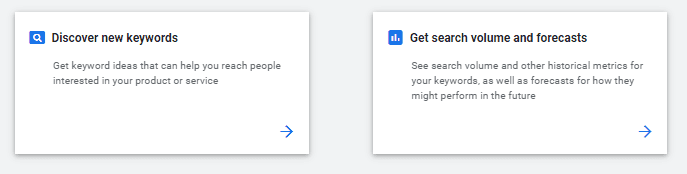
There are a variety of tools out there for keyword research, but we’ll use Google Ads keyword planner for now. The keyword planner is a very valuable tool for doing the work we are trying to do with keyword research. The obvious keywords to start with are “custom t-shirts, ” “custom tees, ” and other related terms. We’ll be able to see what kind of search volume each of those terms is getting, what estimated paid bids look like (competition), and find other related terms. We may be surprised to see some related terms that we hadn’t even thought about like “t-shirts for corporate events” or “t-shirts for sports teams.” There is probably a whole slew of keywords out there that could be good for your business which is why keyword research and planning are so vital.