Where and How to Secure Graphic Designer Freelance Jobs
How to Land Your First Freelance Design Client
Identify 3 businesses in
Identify 3 businesses in your area whose design materials could be improved
Create a speculative redesign
Create a speculative redesign of their logo or marketing materials
Send a personalized email
Send a personalized email showing before/after and what results better design could drive
Follow up once if no response
Follow up once if no response — persistence without pestering
Deliver exceptional work and
Deliver exceptional work and ask for a referral or testimonial when the project closes
Noble Desktop's Graphic Design Certificate covers the tools, portfolio skills, and professional practices that help designers land and retain freelance clients.

There is no set formula for getting freelance graphic design work, but there are two basic tracks:
- Job boards, where projects are posted and you apply for them (or you post your skills and people hire you).
- Do It Yourself (DIY) outreach, where you leverage your connections and reach out through social media and other avenues.
What is freelance graphic design work?

Freelance graphic design work is done on a per-project basis. That project might be a single graphic, like a logo. Or it might be a complex project like creating a media campaign involving print and digital designs, and even motion graphics.
Showcase your style
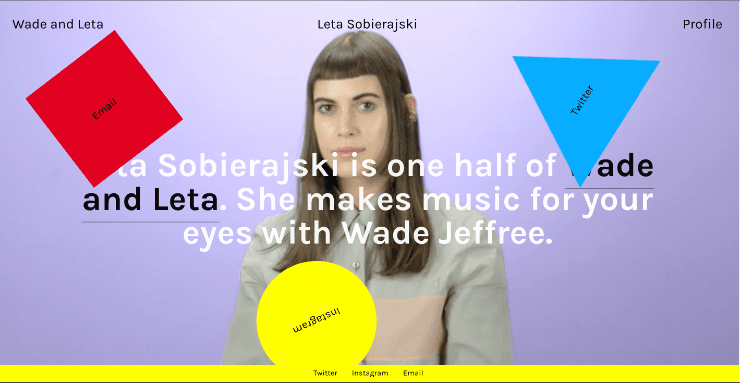
Leta Sobierajski is a partner in the Brooklyn-based design studio, Wade and Leta. She has worked as an independent designer with clients such as Adobe, Bloomberg Businessweek, Google, Gucci, IBM, The New York Times, Refinery 29, Renault, Target, and UNIQLO among many others. In an interview sharing tips on branding yourself as a designer, she shares this advice:
In terms of getting work, it’s really about having a solid portfolio: imagery that is striking and conveys what the project is. Not necessarily just showcasing a logo and a vector image, but really showing application, usage, and showing multiple uses. All of that is extremely important. When I was in school, which was about eleven years ago at this point, I was showcasing my portfolio and it was flat rendered images. Nothing realistic, and over time, I realized that just wasn’t very successful. So in terms of getting work, I found that having really vibrant imagery, showing things in context has been far more successful. Even if it has to be a mockup.
Stay positive
Freelance graphic design work, especially for someone breaking into the field, involves a lot of bids on projects before successfully getting a gig. So be prepared to handle that stress in a positive way.
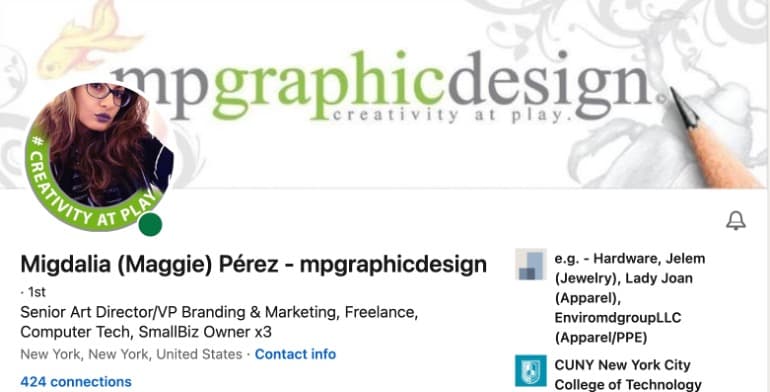
For 25 years, freelance graphic designer Migdalia Pérez @mpgraphicdesign has been designing logos, branding, websites, e-commerce graphics, animation, retouching, packaging, desktop publishing and working with clients in advertising design and marketing. She offers this advice specifically for graphic designers diving into freelance work for the first time:
As a professional designer I feel I need to portray myself in a different way; uniquely, creatively and with value. Don’t be afraid, do your research, ask around and with careful stepping climb your way to the top. Build your network and reputation. There may be a time when things aren’t going your way, and this will surely help. Happy job hunting. :)
Resources for freelance graphic designers

Bidding on freelance work can be a bit of a trip into a jungle. Jungles aren’t all bad. They can be amazing, rewarding, and they keep our planet inhabitable (as long as we let them). But you don’t want to wander into a jungle unprepared.
When a client responds to your proposal with “OK, how much?” You need to be ready to:
- Define the objective of the project precisely so there is no room for the client to come back and say, “that’s not what I asked for.”
- Set a schedule
- Articulate who will own the resulting product, how it can be used
- Define how many revisions are included in the price
- Set a price and payment rules
There are many resources for template contracts that define “all of the above.” The AIGA website is as good a one-stop resource as any.
Generate an Independent Contractor Agreement

In order to avoid misunderstandings, unnecessary stress and conflict, and worse, freelance graphic design projects must be defined by contracts. Those contracts define:
- What exactly you are going to do
- Who will own the resulting work
- Confidentiality rules (promising you will not reveal any information provided to you by the contractor)
- Avoiding conflicts of interest (like doing a similar project for a competitor)
- How much you are going to be paid, and how
An excellent resource for freelance graphic design projects is the Independent Contractor Agreement at AIGA (nee American Institute of Graphic Arts). Download the agreement. You will use it to finalize a project deal, but you can also study it to get insights into what can go wrong with a project, and how to avoid unnecessary chaos and stress.
AIGA has other valuable business resources. The Business & Freelance Resources section of the AIGA website is a comprehensive (and free) resource for the materials you need including Legal guides that provide professional advice on copyrighting content, intellectual property rights, and employment law.
How much should you charge?
You can bill by the project, or by the hour. Billing rates are defined by your skillset, your experience, and the market you are competing in. In other words, setting a billing rate is complicated, and in this article, it would not be possible to present a table where you can look up competitive rates for your situation. But you can do some comparison shopping. Look at job boards (more on those shortly). How much are other people with your skills and experience charging?
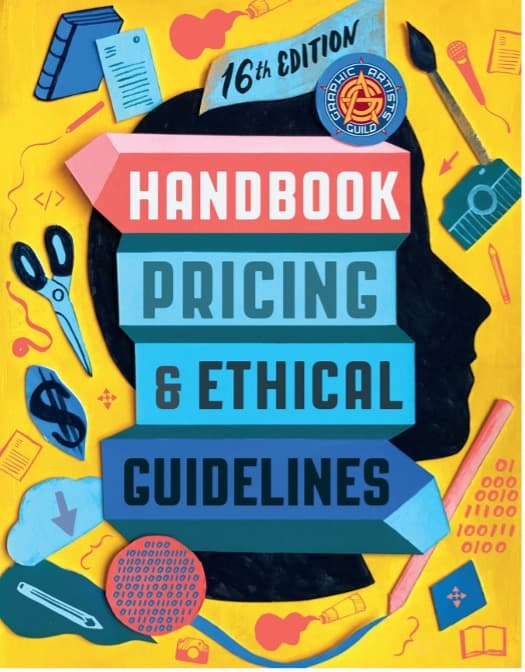
Because billing is so important and so complex, it is worth it to do a little study on how to set rates. There are many resources, videos, and books on pricing for graphic designers, and as someone entering the field, your financial resources and mental bandwidth are limited. But Art Director Brian LaRossa recommends that freelance graphic designers study The Graphic Artist Guild Handbook, Pricing and Ethical Guidelines, and Jessica Hische’s The Dark Art of Pricing.
Jessica Hische describes her book as providing:
[A] new framework for pricing that is sane, logical, and humane—it takes into account your specific financial realities and helps establish pricing standards that are unique to your business and can be used to model all of your creative work price quotes.One or both of these books is an investment, but probably the best investment a graphic designer can make to ease the transition from student to working freelancer.
Finding freelance graphic design through job boards
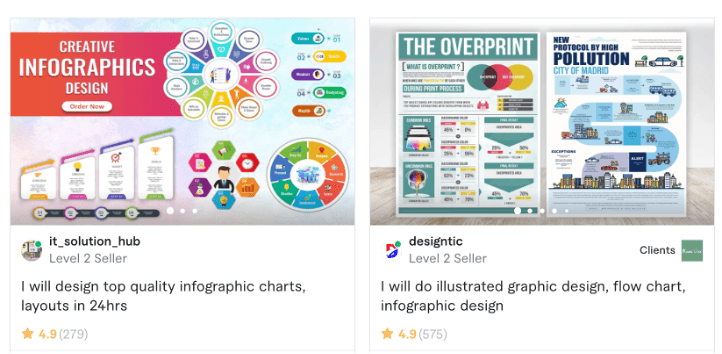
Should you work through job boards to find freelance graphic design gigs? Or go out and get clients on your own? In most cases, the answer is: both.
Migdalia Perez describes how she leveraged both of these tracks to become a successful freelance graphic designer:
I believe job boards can be worth it. I think they are a good place for the beginner designer to start. A designer needs to start somewhere. Job boards can even help if you hit a slump in productivity. The job boards I’ve used are LinkedIn, Indeed, Craigslist, Monster Jobs, and Upwork. Some of my first design jobs were found on these platforms. They allowed me to gain a plethora of knowledge, skill set, and experiences and what’s more, those jobs I once worked for remembered how good a designer I was and sought me out.
This in turn leads them to become future clients of mine. It is important to build a good reputation and network so that it will always follow you through word of mouth. Finding work, be it from an agency or through your own movements of networking is always good. I have found work from both, but have had more success with building my own personal network through jobs I have already worked for, keeping connected, and having a good reputation.
Typical of the arc of the career of a successful freelance graphic designer, job boards served to position her to develop her own client base:
In short, job boards are a way to open the door to getting freelance work as a graphic designer, but for most freelancers, the goal is to build your own base of clients who know you, trust, you, like your work, become repeat customers, and recommend you to others.Get your feet wet with Fiverr
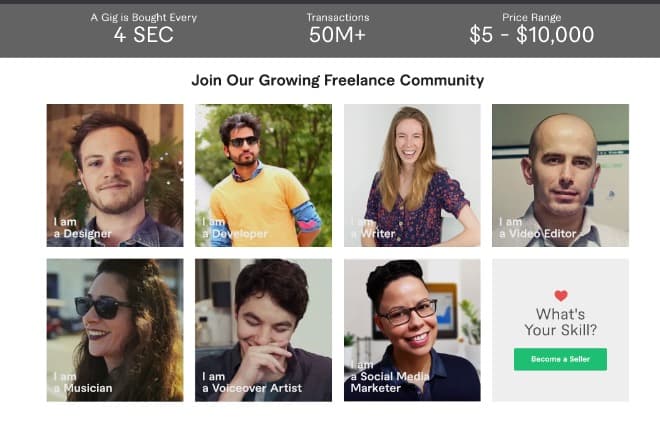
Fiverr is an entry level job board for graphic designers, a place to get your feet wet. The name (Fiverr) is a clue, a reference to getting paid five bucks to create a graphic design project. Do people really create graphic designs for five bucks? Sometimes.
So, what’s the point of getting work on Fiverr?
- You get work.
- You get design experience to build on.
- You get experience working with clients.
- You get skilled at defining client expectations and meeting them.
- It’s work, and you can make some money
In some ways Fiverr is more like a bulletin board at a laundromat than a job board. You–the graphic designer–post what you do (create logos, design websites, create posters….). And then you wait for prospective clients who are looking for what you do. The process is summarized in this graphic at the site.
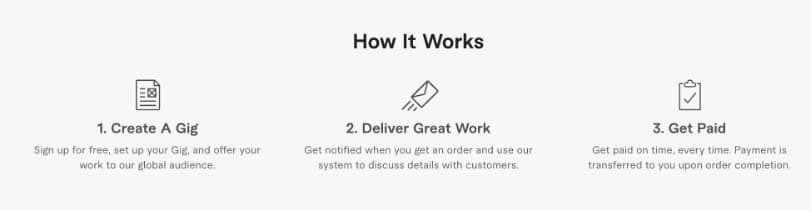
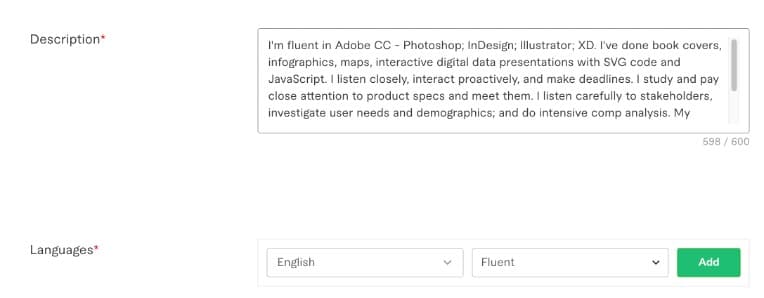
You must join Fiverr to post gigs. Joining is free. It starts with a posted description.
Graphic designers looking for freelance work are called “sellers” at Fiverr. You become a seller using the Creating a seller profile form. And once you complete that process, you post gigs.
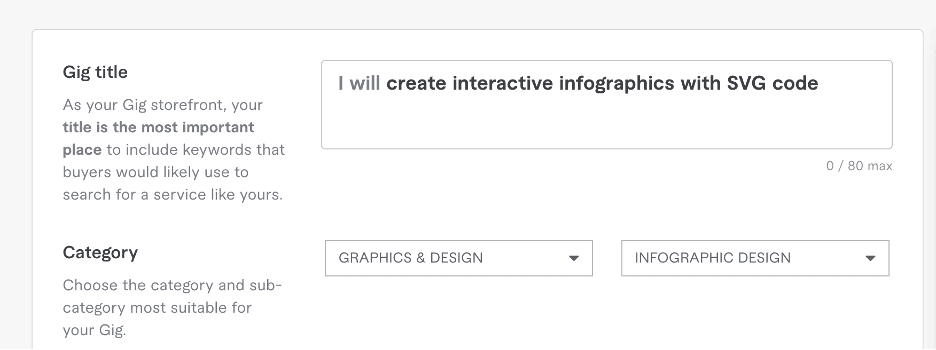
Every posted gig at Fiverr is defined as a package. The package includes pricing, deadlines, and revision policy along with other details. Here’s where you want to circle back to everything discussed to this point in this article to avoid shooting yourself in the foot with unrealistic or poorly defined commitments for deadlines or number of revisions.
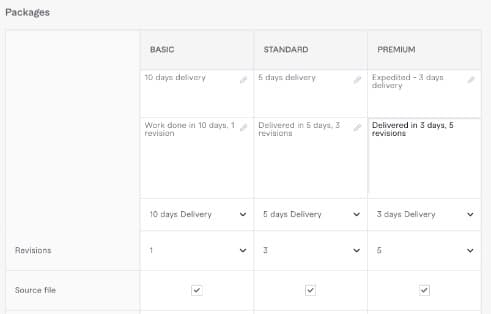
With your gig posted, you’ll be notified when potential clients are interested.
Aspire to Toptal
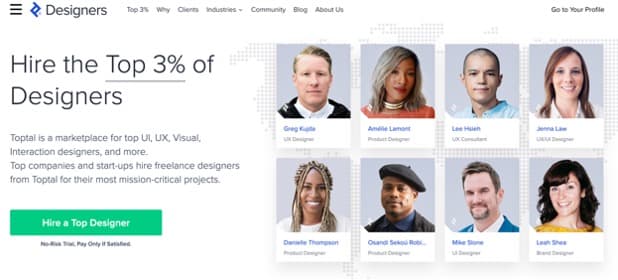
Toptal is short for Top Talent. It brands itself as representing the top 3% of graphic designers. When you apply to freelance through Toptal, you fill out a fairly extensive application and it is reviewed before you can get jobs.
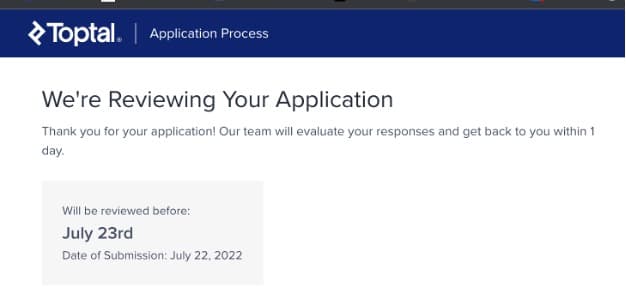
Toptal does not accept all applications, and if you are straight out of school, you might not yet have sufficient experience and a developed enough portfolio to qualify. Here’s where you might leverage gigs you got through Fiverr to build up your portfolio and resume to the point that you get accepted at Toptal.
And here’s something worth highlighting: Toptal has a design blog. Anyone can access it. So if you find work on your own, you can still use those resources.
DIY Freelancing
The art of finding freelance graphic design work is being attuned to opportunities that might be, figuratively speaking, right under your nose. For example:
- Does a small business you frequent need attractive signage?
- Does your cause, community, or club need social media graphics?
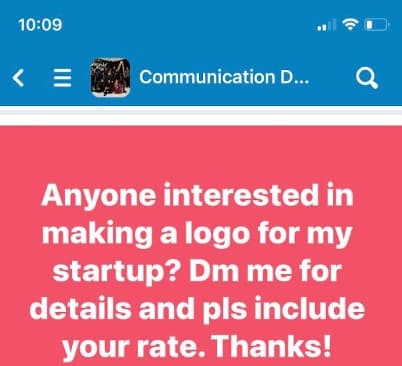
- Is a Facebook “friend” posting that they need a logo for their startup? That happens.
There are countless ways to find freelance graphic design work on your own, and they vary as much as any two people are different. Into sports? Every team needs a logo. Music? Bands need a social media presence. Cooking? Your friend’s YouTube channel needs a banner. Biking? Shops need signage, clubs need social media theming, and trails need maps.
And keep in mind: work creates work. Every completed project expands your profile, ups you confidence level, and exposes you to new opportunities. So, what follows are ideas to stimulate your own brainstorming.
Push out on social media
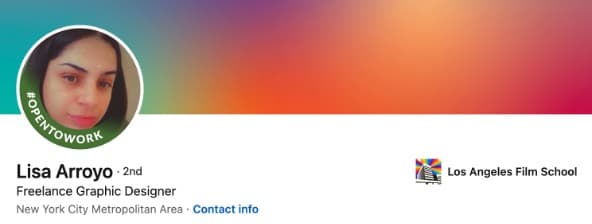
An easy first step in reaching out for freelance graphic design work is to let the world know you’re available. LinkedIn is a good place to start. Define your profile to advertise that you are a freelance graphic designer, and you are open to work (see Leverage LinkedIn and Glassdoor).
And, as you build up your portfolio, including your first freelance projects, add them to your profile, along with client reviews when you get them.
Mine your connections
People like to work with people they like and know. And if they like and know you, they should know that you are available for freelance graphic design projects.
Sit down with a scratch pad and jot down all the people you connect with. Colleagues at a current or past job… teammates from sports… connections with people in music, dance, or theater. These are potential connections for freelance work. Message them to let them know you’re available.
Keep yourself in people’s radar by informing them of successful projects.
Connect with potential clients through meetups
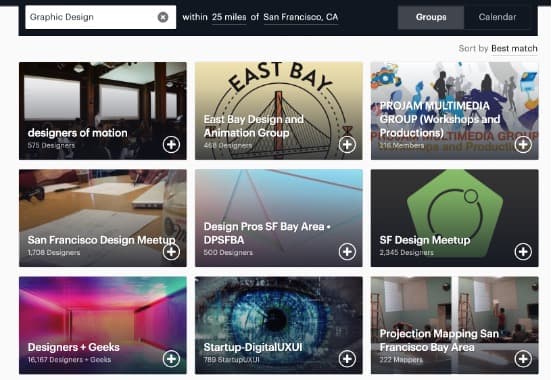
One option for finding freelance work is attending meetups and user groups. These are organized groups of people with shared interests, including graphic design. They are not job boards, so be careful about overstepping when you attend. Tips on freelance work should be a byproduct of your engagement with presentations and conversations.
At meetup.com, you’ll find lists of graphic designer meetups in your area. In cities where graphic design work is concentrated (New York City, San Francisco Bay Area, Minneapolis, Los Angeles, among others) there will be graphic designer meetups that specialize in very specific dimensions of graphic design. If you do motion graphics, you’ll find a match. Same with animation, UI/UX, multimedia, and design + coding.

Another angle to work through meetups is engaging with fellow freelancers in different areas of work. You will learn from other freelancers and experts on issues like establishing a business identity, handling finances, and even tips on networking. Again, don’t go into a meetup with a one-track gotta-find-a-gig mentality. Be open to advice, tips, and yes, freelance job postings.
You’ll find in-depth exploration of connecting through meetups in the article Meetups: Unique Assets on Your Design Career Path.
Don’t neglect print advertising

Business cards; coasters; posters; stickers; and flyers on bulletin boards are not passe. One indication that they work is you see them all over.
If you find yourself sitting around waiting for someone to respond to your postings on job boards, use that time to create some promotional materials. Then find an area to distribute them that is a good match for your skills and services. And don’t forget to put a QR code (get one at tinyurl.com) on everything that links to your portfolio or your LinkedIn profile.
Leverage your work
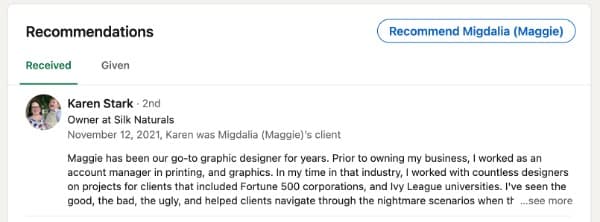
As you build up successful relationships, leverage them to promote yourself. Look at each freelance graphic design job you successfully complete as a steppingstone to more and better work. Share updates on your projects in your LinkedIn profile, the more current, the better.
Ask clients to spread the word in their circles that you do good work. Feature successful projects (and client comments) in your portfolio. And solicit reviews from clients, and share them on social media.
Take Aways
- Work through multiple channels to find work: job boards, personal connections, and social media.
- Be prepared to present a formal proposal and follow up with a professional contact.
- Leverage each project by enhancing your portfolio and social media profiles.
- Aim to convert clients acquired through job boards to your own personal clients.
Key Takeaways