March 22, 2026 (Updated April 1, 2026)David Karlins/11 min read

Leverage LinkedIn and Glassdoor

Master Professional Networking for Career Success

The Hidden Job Market Reality

70%
of jobs are never published publicly
80%
of positions filled through connections

Start with Job Boards

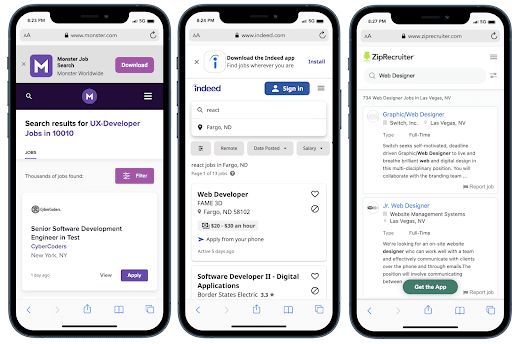
Online job boards remain the foundation of any job search strategy. Platforms like Monster.com, Jobs.com, ZipRecruiter.com, and CareerBuilder.com offer sophisticated search capabilities that allow you to filter opportunities by location, position type, salary range, company size, and remote work options. These platforms have evolved significantly, incorporating AI-powered matching algorithms that learn from your preferences and application patterns to surface more relevant opportunities over time.

2

When you apply for a position, these platforms will store your resume and create a searchable profile that recruiters can discover. This passive visibility is valuable—many candidates receive unsolicited outreach simply by maintaining current profiles on major job boards.

Beyond general-purpose platforms, specialized job boards have emerged for virtually every industry and employment type. Creative professionals often find better opportunities on designer-focused platforms, while independent contractors gravitate toward freelance marketplaces. Job aggregators like Indeed serve as meta-search engines, collecting postings from multiple sources and providing a centralized view of the job market. This aggregation approach often reveals opportunities you might miss by searching individual boards.

Your alma mater's career services office can provide invaluable guidance on which job boards yield the best results for your field and experience level. Since recruiters typically cast wide nets across multiple platforms, establishing profiles on the major boards ensures maximum visibility. For comprehensive reviews and recommendations of niche job boards tailored to specific skill sets, join.com maintains an updated directory that can help you identify the most effective platforms for your industry.

3

Essential Job Board Categories

General Job Boards

Monster, Jobs.com, ZipRecruiter, and CareerBuilder offer broad opportunities across industries with intuitive search interfaces.

Job Aggregators

Indeed collects postings from multiple boards, providing comprehensive search results in one convenient location.

Specialized Boards

Industry-specific platforms target particular fields like design or employment types like freelance work.

But Job Boards are Not Enough

While job boards are essential for market visibility, they represent only a fraction of available opportunities. Research consistently shows that 70% of positions are never publicly advertised, and up to 80% of hires result from personal and professional connections. This "hidden job market" exists because companies often prefer to hire through referrals to reduce recruitment costs and improve cultural fit.

Relying solely on job boards creates several strategic disadvantages that can significantly impact your job search effectiveness:

  • Standing out becomes increasingly difficult as algorithmic systems process millions of applications. Your resume may never reach human eyes if it doesn't contain the right keywords or formatting that automated screening systems require.
  • Job board applications provide no mechanism for understanding the nuanced requirements behind job postings. You're competing blind, unable to tailor your approach based on insider knowledge of what the company actually values or prioritizes.
  • The transactional nature of job boards prevents relationship building with hiring managers, HR professionals, and potential colleagues who could advocate for your candidacy or provide referrals.
  • Without access to authentic employee perspectives, you can't assess company culture, management quality, growth opportunities, or workplace dynamics that significantly impact job satisfaction and career development.
  • Job boards offer no tools for professional development, portfolio enhancement, or skills validation that could strengthen your candidacy or help you command higher compensation.

Professional networking platforms address these limitations by creating ecosystems for relationship building, industry intelligence gathering, and skill development. They enable direct communication with industry professionals, provide competitive intelligence about your field, and offer tools for personal branding that extend far beyond traditional resume submissions. Most importantly, they position you to access that hidden job market where the most desirable opportunities often reside.

Job Boards: Limitations and Benefits

Pros
Intuitive search interfaces with location and salary filters
Resume storage and management systems
Wide recruiter reach across multiple platforms
Specialized options for specific industries
Cons
Difficult to stand out among millions of algorithm-generated results
No direct access to hiring managers or company insiders
Limited customization for specific employer needs
Missing 70% of unpublished job opportunities

LinkedIn and Glassdoor—a Strategic Partnership

Among the numerous professional networking platforms available today, LinkedIn and Glassdoor form a particularly powerful combination for job seekers who understand how to leverage their complementary strengths.

LinkedIn functions as your professional storefront—the first stop for employers researching candidates. While job boards might surface your name in search results, LinkedIn provides the comprehensive professional narrative that influences hiring decisions. The platform's sophisticated tools for content creation, networking, and personal branding can significantly amplify your job search efforts. However, LinkedIn's greatest value lies in its role as your professional identity hub. When networking contacts, recruiters, or potential employers want to learn about you, they instinctively turn to LinkedIn for verification and deeper insights into your background, recommendations, and professional trajectory.

Glassdoor operates as your intelligence-gathering resource, offering unprecedented access to insider information about companies, roles, and hiring processes. Current and former employees provide candid assessments of company culture, management quality, compensation ranges, and interview experiences. This intelligence proves invaluable for customizing your LinkedIn profile and interview preparation to align with specific company preferences and expectations. Glassdoor's salary data also empowers you to negotiate more effectively by understanding market rates for your role and experience level in specific geographic markets.

A Four-Part Networking Strategy

Rather than approaching online job hunting haphazardly, successful professionals follow a systematic approach that maximizes their visibility while building meaningful industry connections. This four-part strategy provides a framework for organizing your efforts effectively:

  1. Establish your professional presence on LinkedIn with a comprehensive, strategically crafted profile that positions you as a serious professional in your field.
  2. Create your research base at Glassdoor to access company intelligence, salary benchmarks, and interview preparation resources.
  3. Develop a systematic job board monitoring routine using platforms like Monster.com, Jobs.com, CareerBuilder.com, and aggregators like Indeed to maintain market awareness and identify emerging opportunities.
  4. Identify and monitor specialized job boards relevant to your industry, using curated directories to discover niche platforms that may offer higher-quality, more targeted opportunities.

Start with LinkedIn

LinkedIn serves as the cornerstone of your professional online presence, and its importance in the hiring process cannot be overstated. Whether you connect with employers through job board applications, networking events, or referrals, they will almost invariably research your LinkedIn profile before making contact or scheduling interviews.

The platform guides new users through a comprehensive profile creation process, but understanding the strategic importance of each element will help you create a profile that advances your career objectives rather than simply checking boxes.

Building an effective LinkedIn profile requires attention to several critical elements that collectively create your professional brand:

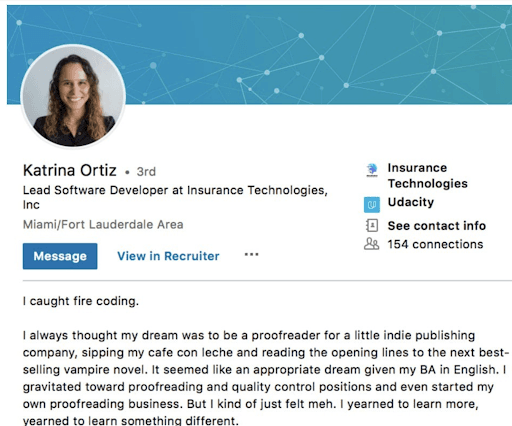
  • A professionally shot headshot that conveys competence and approachability—this single image often determines whether someone continues reading your profile or moves to the next candidate.
  • Your industry designation and geographic location, which help LinkedIn's algorithm surface your profile to relevant recruiters and enable location-based opportunity matching.
  • A customized LinkedIn URL that creates a professional impression when included on business cards, resumes, and email signatures, replacing LinkedIn's default numerical assignment with your name.
  • A compelling headline and summary that go beyond job titles to articulate your unique value proposition and career aspirations in language that resonates with your target audience.
  • Comprehensive documentation of your work history, including part-time positions, internships, volunteer work, and freelance projects that demonstrate your skills and commitment to professional growth.
  • Strategic networking that begins with connecting to as many relevant professionals as possible, creating a foundation for relationship building and industry intelligence gathering.
  • Activation of LinkedIn's "Open to Work" feature, which signals your job search status to recruiters while allowing you to control the visibility of this information.

LinkedIn provides detailed guidance for profile optimization at How Do I Create a Good LinkedIn Profile? New professionals should study this resource carefully and follow its recommendations closely, as LinkedIn's own guidance reflects the preferences of the recruiters and hiring managers who use the platform daily.

LinkedIn Profile Essentials

0/6

Getting the Most Out of LinkedIn

Given LinkedIn's central role in professional networking and job searching, investing time in understanding its advanced features and best practices can significantly accelerate your career development. The platform offers far more than basic profile hosting—it's a comprehensive professional development ecosystem when used strategically.

LinkedIn's official profile creation guide provides authoritative advice on optimizing every aspect of your presence, from photo selection and headline creation to skills endorsements and recommendation requests. The platform also includes profile evaluation tools that assess your completion rate and suggest improvements based on successful profiles in your industry.

For those new to professional networking, LinkedIn's 10 LinkedIn Tips for Students & New Grads offers practical guidance specifically tailored to early-career professionals. This resource addresses common mistakes like inappropriate photos, overselling limited experience, and neglecting to leverage academic and extracurricular activities as professional credentials.

One of LinkedIn's most valuable features for job seekers is the ability to research professionals in your target field. By searching for specific job titles and examining successful professionals' profiles, you can identify common career paths, required skills, and effective ways to position your own experience. This competitive intelligence helps you understand industry expectations and identify gaps in your own professional development.

4
Profile Optimization Strategy

Study LinkedIn's official guide 'How Do I Create a Good LinkedIn Profile?' and follow their proven models closely, especially when first entering the job market. Research profiles from people in your target field to understand industry standards and expectations.

Make Connections

LinkedIn's networking capabilities represent perhaps its greatest value for career development. The platform's messaging system enables direct communication with industry professionals who would otherwise be completely inaccessible, creating opportunities for mentorship, advice, and job referrals that can transform your career trajectory.

Effective LinkedIn networking requires a strategic approach that prioritizes relationship building over immediate job seeking. Consider these proven strategies:

  • Pursue quantity initially to build network density, but focus on quality interactions that provide mutual value rather than one-sided requests for assistance.
  • Study connections' profiles thoroughly to understand their career paths, current challenges, and areas of expertise, enabling more meaningful and relevant outreach.
  • Personalize connection requests with specific references to their background, shared interests, or mutual connections, demonstrating genuine interest rather than mass networking.
  • Seek advice and industry insights rather than immediate job opportunities—professionals are generally more willing to share knowledge than employment leads, and relationships built on learning often yield better long-term career benefits.
  • Engage authentically with connections' professional updates, celebrating their achievements and commenting thoughtfully on their content to maintain visibility and strengthen relationships over time.
  • Avoid transactional approaches that immediately request favors or job leads—instead, focus on building genuine professional relationships that may yield opportunities naturally over time.

Effective LinkedIn Networking Strategies

Maximize Connections

Connect with as many relevant professionals as possible. Study their profiles to learn about industry trends and improve your own presentation.

Personalized Outreach

Always introduce yourself when connecting. Explain what interests you about their profile and how you hope to learn from them.

Strategic Engagement

Respond thoughtfully to connection updates and ask specific questions for advice. Avoid overwhelming contacts with hiring requests.

Valuable Features in LinkedIn Premium

While LinkedIn's basic features provide substantial value for job seekers, LinkedIn Premium Career unlocks advanced capabilities that can provide significant competitive advantages during intensive job search periods. The investment, while substantial, often pays dividends through faster job placement and better salary negotiations.

LinkedIn Premium Career's most valuable features include anonymous profile browsing, which allows you to research companies and professionals without alerting them to your interest, and detailed analytics showing who has viewed your profile. This intelligence helps you understand which companies are considering you and adjust your search strategy accordingly. The platform also removes viewing limitations, enabling unlimited research into potential employers, competitors, and industry trends.

The competitive analysis tools deserve particular attention, as they provide detailed comparisons between your qualifications and other candidates applying for similar positions. This intelligence reveals skill gaps, credential weaknesses, and positioning opportunities that can guide your professional development and application strategy. Understanding how you stack up against the competition is invaluable for interview preparation and salary negotiations.

5

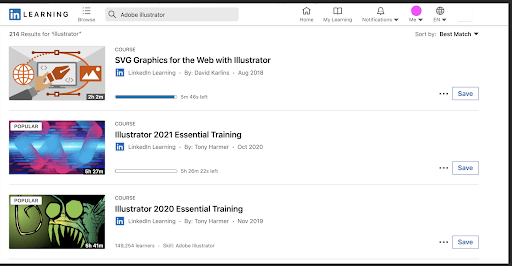
LinkedIn Learning access represents another compelling Premium feature, offering thousands of professional development courses that can strengthen your candidacy during your job search. The ability to add completed courses and certifications directly to your LinkedIn profile provides immediate credibility and demonstrates your commitment to continuous learning—a quality highly valued by employers in today's rapidly evolving job market.

Screenshot showing LinkedIn Learning's course listings for Adobe Illustrator. The courses include 'SVG Graphics for the Web with Illustrator,' 'Illustrator 2021 Essential Training,' and 'Illustrator 2020 Essential Training.' The image includes the course titles, instructors, and duration times.

LinkedIn Premium Career's annual subscription cost can reach several hundred dollars, making it a significant investment for many job seekers. However, the platform's enhanced visibility features, advanced messaging capabilities, and competitive intelligence tools often justify the expense during active job search periods. Many successful candidates find that Premium features accelerate their job search timeline sufficiently to offset the subscription cost through faster employment and higher starting salaries.

At minimum, LinkedIn's one-month free trial provides an excellent opportunity to evaluate Premium features' value for your specific situation. While the trial automatically converts to a paid subscription without cancellation, intensive use of Premium features during the trial period can provide substantial job search momentum. Focus on completing relevant LinkedIn Learning courses, conducting comprehensive competitive analysis, and leveraging enhanced messaging capabilities to maximize the trial's value.

LinkedIn Premium Career: Cost vs Value Analysis

FeatureInvestmentReturns
Annual CostHundreds of dollars per yearPotential job salary increase of thousands
Competitive AnalysisPremium feature accessSkill gap identification and improvement roadmap
Learning ResourcesLinkedIn Learning subscriptionUnlimited courses for skill development
Profile InsightsWho viewed your profile dataApplication highlighting and visibility boost
Recommended: Consider a short-term subscription during active job searching. Start with the free one-month trial to evaluate value and use features intensively.

4 Key Takeaways

  1. Invest significant time in creating a comprehensive LinkedIn profile that serves as your professional brand headquarters. Expect this process to require several days of thoughtful development, not a few hours of rushed completion.
  2. Establish a systematic job board monitoring routine that includes both general platforms and industry-specific boards, treating this research as ongoing market intelligence rather than sporadic opportunity hunting.
  3. Use Glassdoor strategically to research potential employers before investing significant time in application processes, ensuring your efforts align with companies that match your values and career objectives.
  4. Leverage LinkedIn's advanced features to build meaningful professional relationships, develop relevant skills, and gain competitive intelligence that positions you advantageously in your target job market.

Key Takeaways

1Job boards are essential but insufficient - 70% of jobs are never published publicly and 80% are filled through personal connections
2LinkedIn serves as your professional public face that employers will research after finding your resume through any channel
3Glassdoor provides crucial insider intelligence about company culture and interview processes from current and former employees
4A comprehensive networking strategy combines general job boards, specialized industry boards, LinkedIn presence, and Glassdoor research
5LinkedIn profile optimization requires days of careful work, including professional photos, customized URLs, detailed experience, and strategic connections
6Premium LinkedIn features offer significant value during active job searches through competitive analysis, learning resources, and enhanced visibility
7Effective LinkedIn networking involves connecting broadly, personalizing outreach, and engaging thoughtfully without overwhelming contacts with hiring requests
8Regular job board searches should include both general platforms and industry-specific boards while maintaining an active LinkedIn presence for maximum opportunity access

RELATED ARTICLES