SQL MAX Tutorial
Master SQL's most essential aggregate function
SQL Aggregate Functions Overview
MAX Function
Finds the maximum value in a column. Essential for identifying highest values in datasets like sales figures or performance metrics.
MIN Function
Returns the smallest value in a column. Commonly used alongside MAX to establish data ranges and boundaries.
AVG Function
Calculates the average value across all rows. Perfect for statistical analysis and trend identification in numerical data.
The basic syntax SELECT MAX(column_1) FROM table is the foundation for finding maximum values in any SQL database system.
How MAX Function Works
Column Selection
The function examines all non-NULL values in the specified column across all rows in the table or result set.
Value Comparison
SQL engine compares each value against the current maximum, updating the maximum when a larger value is found.
Result Return
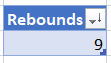
Returns the single highest value found, ignoring NULL values completely during the comparison process.
MAX Function Advantages and Limitations
Basketball Statistics Use Cases
Player Performance
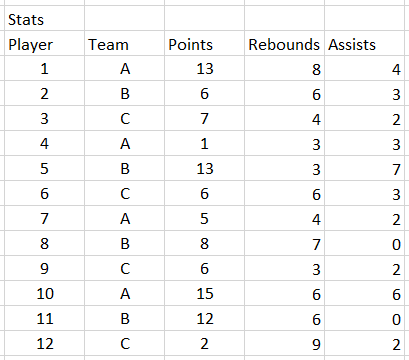
Find players with highest rebounds, points, or assists. Critical for identifying top performers and making strategic decisions.
Team Analysis
Compare maximum statistics across teams to evaluate overall team strength and identify areas for improvement.
Season Tracking
Monitor peak performance metrics throughout the season to track player development and league records.
MAX Query Best Practices
Ensures accurate comparisons and prevents unexpected results with mixed data types
Improves query performance significantly when dealing with large datasets
Allows finding maximum values within specific subsets of your data
Validates logic and ensures queries return expected results before production use
To get the full player record with maximum rebounds, combine MAX with a subquery or use window functions like ROW_NUMBER() for more comprehensive results.
Key Takeaways