March 22, 2026Noble Desktop/6 min read

Which Type of Design is Right for You?

Navigate Your Path in Professional Design Careers

Design Career Overview

Visual Communication

Graphic and visual design focus on creating compelling visual messages through imagery, typography, and layout across print and digital mediums.

Technical Implementation

Web design and development combine creative design with coding skills to build functional, interactive digital experiences.

User-Centered Design

UX and UI design prioritize understanding user needs and behaviors to create intuitive, effective digital products and interfaces.

Graphic Design

Graphic design class project

Graphic design is the art and science of visual communication, combining typography, imagery, color, and space to convey messages that inform, persuade, and inspire. Today's graphic designers work across both print and digital mediums, mastering industry-standard Adobe Creative Suite programs including Photoshop, Illustrator, and InDesign. This versatility allows them to create everything from product packaging and brand identities to digital advertising campaigns and social media assets.

Print designers focus on tangible materials—crafting brochures that tell compelling stories, business cards that make lasting impressions, product packaging that drives purchase decisions, and large-format displays that capture attention in transit systems and retail environments. Meanwhile, digital graphic designers create web banners optimized for various screen sizes, social media graphics that stop the scroll, interactive eBooks, and email marketing materials. The key difference often lies in technical specifications: print work requires understanding of CMYK color modes, bleeds, and paper stocks, while digital work demands knowledge of RGB color spaces, web-safe fonts, and file optimization for fast loading times.

Discover our graphic design courses and certificate programs 

Graphic Design Applications

Print Design

Create brochures, business cards, product packaging, subway banners, and books for physical distribution and marketing materials.

Digital Design

Develop web banners, social media graphics, and eBooks using the same design principles adapted for digital formats.

Essential Software Skills

Graphic designers use Adobe Photoshop, Illustrator, and InDesign for both print and digital projects, with different output formats optimized for each medium.

Web Design

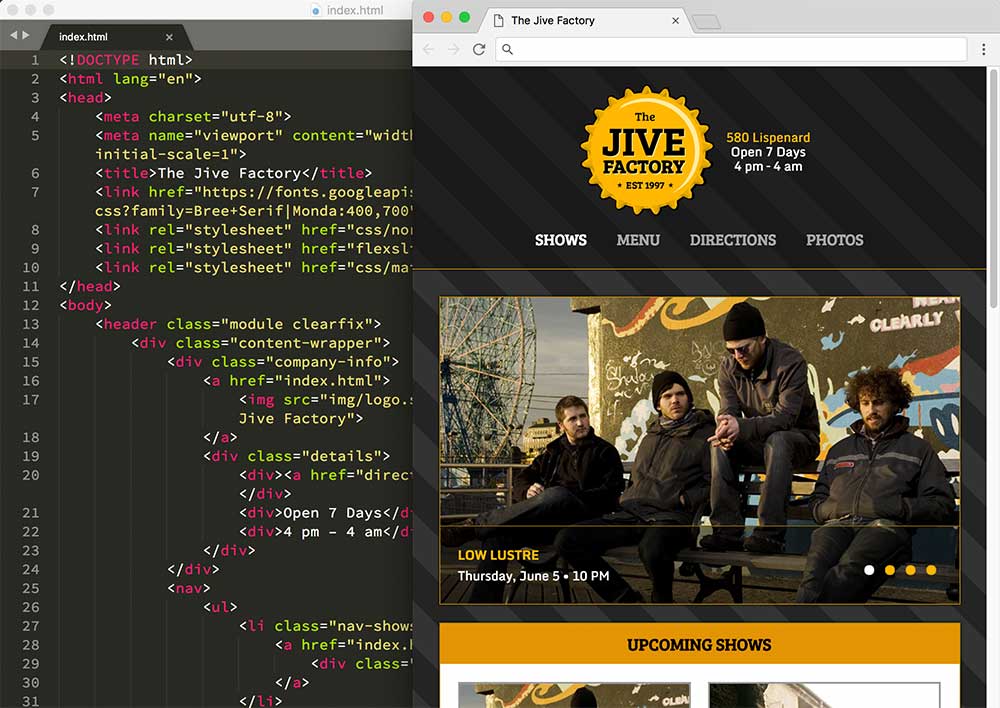
Web design project and code

Modern web design bridges the gap between aesthetic vision and technical execution. Today's web designers must think beyond static layouts, considering responsive design principles, accessibility standards, and user experience across devices from smartphones to large desktop monitors. Leading designers use sophisticated tools like Figma, Sketch, Adobe XD, and Photoshop to create detailed wireframes and high-fidelity prototypes that communicate design intent clearly to development teams.

The most versatile web designers also code, giving them direct control over the final product. HTML and CSS form the foundation, allowing designers to implement their visions pixel-perfectly. Advanced practitioners leverage JavaScript, React, and modern animation libraries to create engaging micro-interactions and smooth transitions that enhance user engagement. This hybrid skill set—combining design thinking with technical implementation—makes these professionals invaluable in today's market, where the line between designer and front-end developer continues to blur.

Check out our web design courses & bootcamps 

Web Design Approaches

FeatureDesign-OnlyDesign + Code
Primary ToolsSketch, Adobe XD, PhotoshopHTML, CSS, JavaScript
ScopeVisual interface designFull website implementation
Career ValueDesign specialistFull-stack capability
Recommended: Learning both design and coding skills provides the most career flexibility and earning potential in web design.

Motion Design

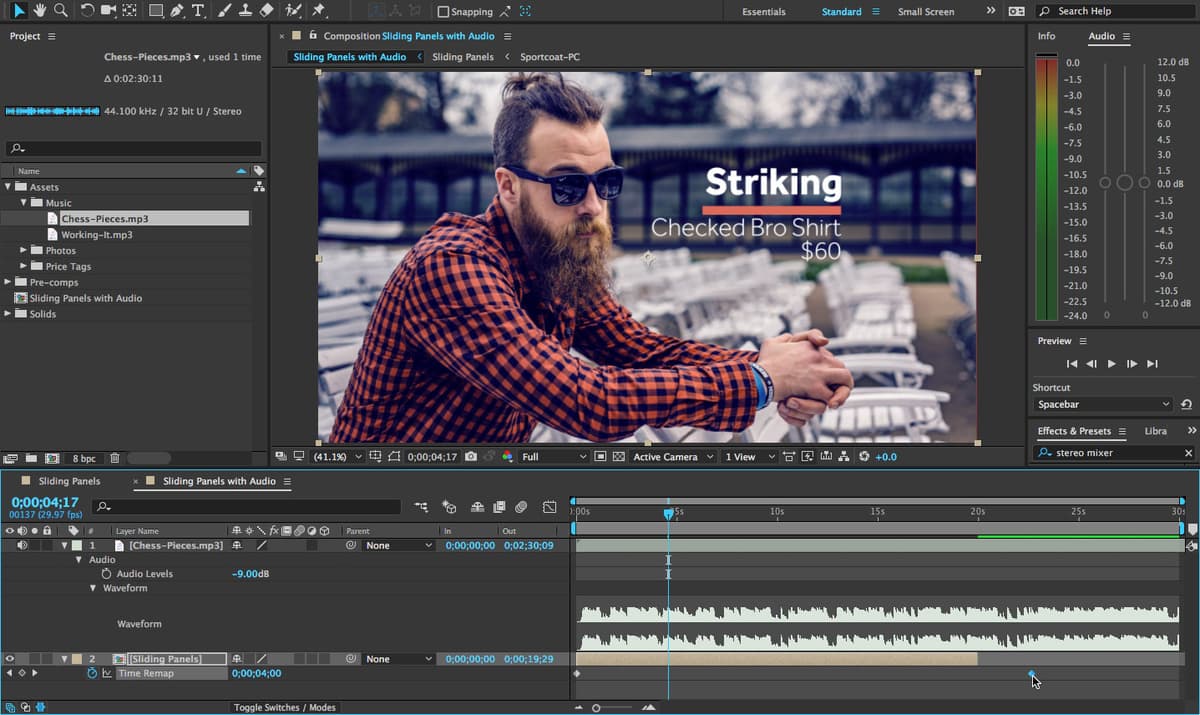
Project created in Adobe After Effects

In an attention economy where video content dominates social feeds, motion design has evolved from a nice-to-have skill to an essential competency. Motion designers understand that movement isn't just decoration—it's a powerful communication tool that can guide attention, explain complex concepts, and create emotional connections that static designs simply cannot achieve.

The motion design toolkit has expanded significantly in recent years. While Adobe After Effects remains the industry standard for complex animation and visual effects, Premiere Pro handles video editing and color correction. For web-based animations, tools like Framer Motion, Lottie, and CSS animations have revolutionized how designers bring interfaces to life. Smart motion designers also understand the strategic use of animation: subtle micro-interactions that provide user feedback, loading animations that make wait times feel shorter, and storytelling sequences that transform data into compelling narratives. Even simple animated GIFs, when thoughtfully crafted, can dramatically improve email marketing performance and social media engagement.

Learn more about our motion graphics & video editing classes

Facebook users consume 100 million hours of video daily
This massive video consumption highlights why motion design skills are increasingly valuable for designers looking to stand out in the market.

Motion Design Process

1

Strategic Planning

Determine what elements to animate and when to use motion for maximum impact and user engagement.

2

Content Creation

Combine graphics, sound, motion, and visual design techniques using Adobe After Effects and Premiere Pro.

3

Web Integration

Implement web animations using GreenSock or create animated GIFs for HTML emails and web content.

UX (User Experience) Design

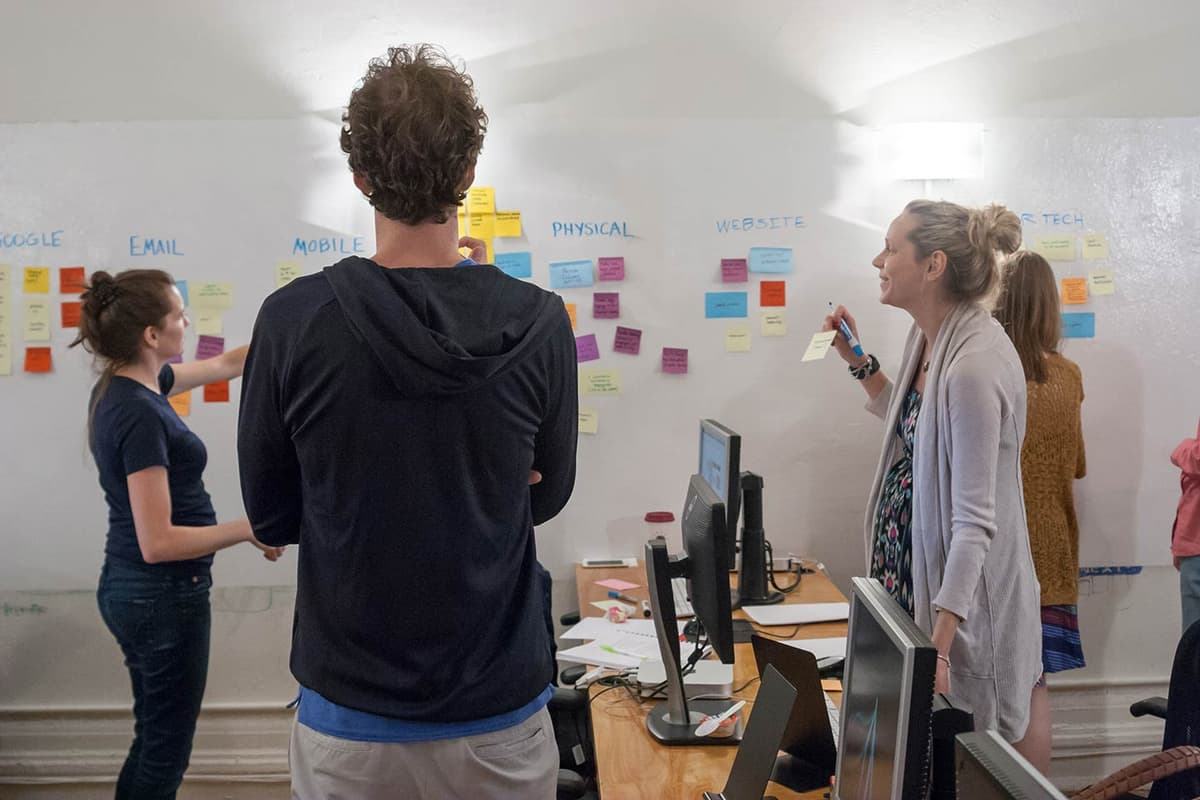
UX designers collaborating on project

UX designers are the strategic thinkers of the design world, serving as advocates for end users while solving complex business problems. Rather than starting with aesthetics, they begin with human behavior—conducting ethnographic research, analyzing user journeys, and identifying pain points that prevent people from achieving their goals. This research-driven approach distinguishes UX design from other design disciplines and makes it particularly valuable to organizations focused on customer retention and conversion optimization.

The UX research process has become increasingly sophisticated, incorporating quantitative analytics with qualitative insights. UX designers conduct user interviews, facilitate focus groups, create detailed personas, and map customer journeys across multiple touchpoints. They also employ advanced research methods like card sorting, tree testing, and longitudinal studies to understand how user needs evolve over time. A/B testing and multivariate testing allow them to validate design hypotheses with real user data, while heat mapping and session recording tools provide insights into actual user behavior. The most effective UX designers translate these complex insights into clear, actionable recommendations that guide product development decisions.

Learn about our UX design courses 

UX Research Methods

User Observation

Watch customers interact with products in real-time to identify pain points and opportunities for improvement.

User Interviews

Conduct direct conversations with users to understand their needs, motivations, and challenges with existing products.

A/B Testing

Use stealth research methods to test different experiences in real-world conditions and measure performance differences.

UX Designer Focus

UX designers are people-focused professionals who bridge the gap between user needs and technical implementation, communicating insights to visual designers and developers.

UI (User Interface) & Visual Design

UI Design class example

UI and visual designers transform UX insights into polished, functional interfaces that users actually want to engage with. They make critical decisions about color psychology, typography hierarchy, spacing, and visual flow—choices that can dramatically impact user behavior and business outcomes. Modern UI designers work within sophisticated design systems, creating scalable component libraries that ensure consistency across large digital products.

The tools of UI design have evolved to support collaborative, iterative workflows. Figma has largely displaced Sketch for many teams due to its web-based collaboration features, while Adobe XD continues to excel in Adobe-centric workflows. Today's UI designers also understand accessibility principles, ensuring their interfaces work for users with disabilities. They consider dark mode implementations, responsive breakpoints, and performance implications of their design decisions. The best UI designers think systematically, creating flexible design tokens and components that can adapt to various contexts while maintaining brand consistency.

Check out our visual design courses & certificate programs

UI Design Workflow

1

UX Insights Integration

Work closely with UX designers to understand user research findings and experience requirements.

2

Visual System Design

Determine colors, typography, and overall appearance based on UX insights and brand requirements.

3

Interface Layout

Use Sketch, Adobe XD, or Photoshop to create detailed layouts for websites, apps, and digital interfaces.

What is the Salary for Designers in NYC?

Design salaries in New York City reflect the field's increasing strategic importance, with significant variation based on specialization and skill depth. UX designers in NYC command salaries starting around $95,000 and reaching well into six figures for senior positions at major tech companies. Product designers with strong UX and UI skills often earn $110,000-$150,000, while specialized roles like design systems architects can command even higher compensation. The key differentiator is skill breadth combined with business impact—designers who understand both craft and strategy, and can demonstrate measurable results, have the strongest earning potential in today's market.

NYC Design Salaries

$90,000+
UX Designer Average Salary
Earning Potential Strategy

Digital designers typically earn more than print designers, and having multiple skills makes you a more well-rounded candidate with increased earning potential.

Where Do I Start?

The beauty of modern design education is that you can explore multiple disciplines before committing to a specialization. Many successful designers develop hybrid skill sets that make them more versatile and valuable. Consider starting with foundational classes like UX Design in a Day to understand user-centered thinking, or Sketch in a Day to get hands-on with design tools. The goal isn't to master everything immediately, but to discover where your interests and aptitudes align.

Browse our comprehensive Design Classes to find your path in Graphic Design, Web Design, UX & UI Design, and Motion Design. Remember, the most successful designers are lifelong learners who adapt their skills as technology and user expectations evolve.

Getting Started in Design

0/4

Key Takeaways

1Graphic design encompasses both print and digital mediums, using Adobe Creative Suite programs for visual communication through artwork and combined images and text.
2Web design increasingly values both design and coding skills, with designers using tools like Sketch and Adobe XD alongside HTML, CSS, and JavaScript.
3Motion design is growing rapidly due to massive video consumption, with Facebook users alone consuming 100 million hours of video daily.
4UX designers focus on user research and testing rather than visual creation, conducting interviews, observations, and A/B testing to understand user needs.
5UI and visual designers work with UX insights to determine colors, typography, and interface appearance using tools like Sketch, Adobe XD, and Photoshop.
6Digital designers typically earn more than print designers, with UX designers in NYC averaging over $90,000 per year.
7Having multiple design skills increases career flexibility and earning potential in the competitive design market.
8The best approach is to start with your strongest interest area and gradually expand skills as technology advances and market demand evolves.

RELATED ARTICLES