March 22, 2026 (Updated April 1, 2026)Eugene Peterson/8 min read

The Role of Sound Design in Motion Design

Crafting Immersive Audio Experiences for Visual Storytelling

The Hidden Power of Audio

While visuals capture attention, sound design creates the emotional connection that transforms motion graphics from mere animation into immersive storytelling experiences.

Sound design represents one of motion design's most powerful yet underutilized tools. When executed skillfully, audio transforms passive viewers into emotionally invested participants, creating an immersive sensory experience that amplifies your visual storytelling. Beyond simple engagement, strategic sound design establishes psychological anchors—subtle audio cues that guide audience attention, reinforce brand identity, and create memorable moments that resonate long after the final frame.

The application of sound design varies dramatically across project types and constraints. Brief website display ads, typically delivered as GIF files, operate in complete silence due to format limitations and user experience considerations. Conversely, comprehensive explainer videos, brand documentaries, and interactive installations leverage sophisticated audio landscapes—layering original compositions, carefully selected sound effects, and professional voiceover work to construct rich narrative environments that support complex storytelling objectives.


To master sound design's strategic role in contemporary motion design, we'll examine:

  • The psychological and business benefits of incorporating professional sound design.
  • Three distinct categories of digital audio, where to source both premium and royalty-free content, and compelling real-world examples demonstrating each approach.
  • Advanced production techniques and workflow optimizations for integrating audio into your motion design projects.

Benefits of Using Sound Design

Creates atmosphere: Audio immediately establishes context, temporal setting, and emotional tone without requiring visual explanation. The gentle patter of rain signals tranquility and introspection, while sudden thunder creates tension and urgency. This psychological shorthand allows designers to convey complex moods instantaneously, maximizing impact within tight timeframes.

Supports the story: Strategic audio choices add narrative layers that pure visuals cannot achieve alone. A character's hesitant footsteps build suspense more effectively than visual cues, while vocal inflection reveals internal emotional states that facial expressions might miss. Sound design becomes an invisible narrator, guiding audience interpretation and deepening story comprehension.

Enhances engagement: Professional audio production significantly increases viewer retention and recall rates. The rhythmic tick of a countdown timer creates psychological urgency that compels action, while well-timed comedic sound effects reinforce humor and improve message memorability. In an attention-deficit digital landscape, sound provides the sensory hook that keeps audiences invested through completion.

Core Benefits of Sound Design in Motion Graphics

Atmosphere Creation

Establishes sense of place, time, and mood. Rain sounds evoke calm while thunder creates danger and urgency.

Story Support

Adds narrative depth and meaning. Character footsteps build suspense while voice reveals emotional states and motivations.

Enhanced Engagement

Maintains viewer attention and enjoyment. Ticking clocks create urgency while laugh tracks establish comedic context.

Types of Sound Design

Understanding the three fundamental categories of motion design audio enables more strategic creative decisions and efficient production workflows.

  • Music: The emotional backbone of most motion design projects, music establishes mood, pacing, and brand personality. Contemporary workflows typically begin with stock audio libraries, where tracks are previewed, downloaded with watermarks for client approval, then licensed upon final selection. Premium stock vendors offer broadcast-quality compositions across every genre, while specialized audio houses provide niche collections for specific industries. High-budget projects may commission original compositions tailored to brand specifications, while established organizations often maintain proprietary music libraries that ensure consistent sonic branding across all communications.

Sound Design Components in Motion Graphics

Music60%
Sound Effects25%
Voiceovers15%
Stock vs Custom Audio

Most projects use stock audio files with preview comps and watermarks, but high-budget projects may feature custom compositions or branded asset libraries.

A Partial List of Music Sources

Paid vs Free Music Sources

FeaturePaid SourcesFree Sources
QualityProfessional gradeVariable quality
LicensingClear commercial rightsMay require attribution
SelectionCurated collectionsLimited but growing
ExamplesAdobe StockFree Music Archive
Recommended: Choose based on project budget and commercial usage requirements

Sound Design Examples

These case studies demonstrate how masterful sound design elevates motion graphics from functional communication to memorable artistic experiences.

Examples

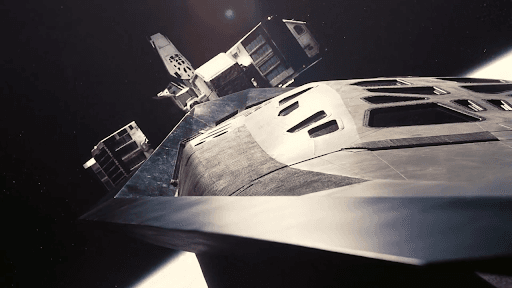
Example #1: "Interstellar Montage"

Christopher Nolan's science fiction epic earned Academy Award nominations for Best Soundtrack, Best Sound Editing, and Best Sound Mixing, ultimately winning Best Visual Effects. The film's central emotional conflict—a father's sacrifice for humanity's survival—required Hans Zimmer's haunting score to bridge intellectual concepts with visceral human emotion. The music transforms complex scientific exposition into deeply personal drama, demonstrating how strategic audio choices can make abstract concepts emotionally accessible to mainstream audiences.

Drummer

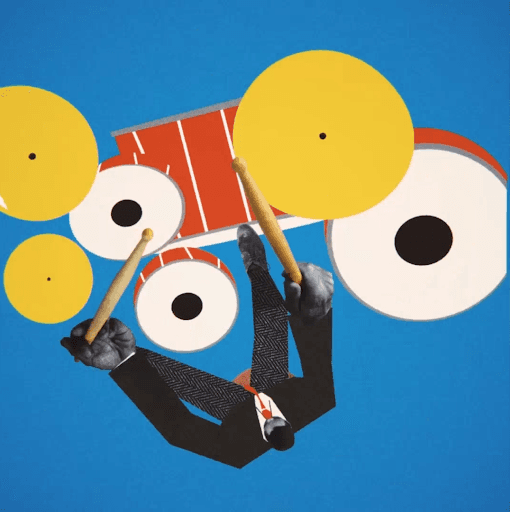
Example #2: "The Drummer"

This concise demonstration showcases perfect synchronization between audio and visual elements, creating a synergistic effect where neither component could achieve the same impact independently. The precise timing illustrates how sound design functions as both rhythmic foundation and narrative driver, proving that technical execution and creative vision must work in lockstep to achieve professional results.

Moving beyond music, sound effects have experienced a renaissance in motion design, particularly as brands seek to differentiate their digital experiences in an increasingly crowded marketplace.

  • Sound Effects: Once relegated to film and television, sound effects now play crucial roles in motion design projects, particularly for digital interfaces, explainer videos, and social media content. These audio elements serve specific functional purposes: punctuating key messages, signaling transitions, emphasizing important concepts, or reinforcing brand personality. The most effective sound effects feel organic to the visual content while subtly directing viewer attention toward desired actions or information. Contemporary sound effect libraries offer everything from realistic environmental audio to stylized digital interface sounds designed specifically for modern motion graphics workflows.

Ikea

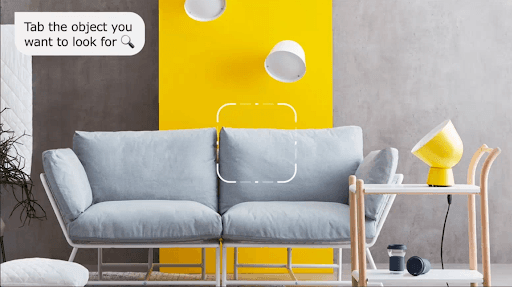
Example: "IKEA — Motion Language"

Sander van Dijk's exploration of IKEA's digital interaction paradigms demonstrates how thoughtfully designed sound effects can transform routine user experiences into engaging, brand-reinforced encounters. Each audio element reinforces IKEA's approachable, democratic design philosophy while providing clear feedback for digital interactions. The cheerful, organic sound palette creates emotional warmth that counters the potential coldness of digital interfaces, proving how strategic audio choices support broader brand positioning objectives.

The third category of motion design audio leverages the unique power of human voice to create intimate connections and deliver complex information with personality and authority.

  • Spoken Word – Voiceovers, Narration, and Previously Recorded Material: Human voice remains unmatched for conveying complex information, establishing credibility, and creating emotional connections with audiences. Professional voiceovers dominate advertising and explainer content, where skilled performers translate written scripts into compelling audio narratives that guide viewer understanding and inspire action. Documentary-style narration adds gravitas and context to educational or corporate content, while archival recordings—from historic speeches to contemporary interviews—inject authenticity and cultural resonance that synthesized content cannot replicate. The choice of voice talent, delivery style, and recording quality significantly impacts audience perception of brand authority and trustworthiness.

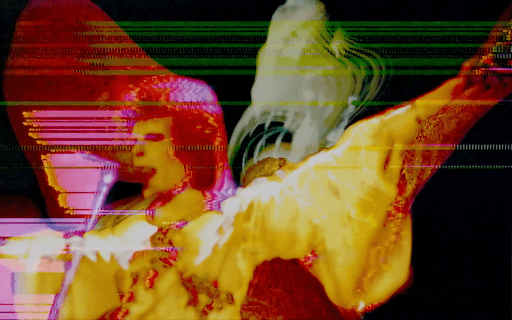
Stylized image of performer, David Bowie, on stage wearing a flowing outfit with arms outstretched. Vibrant colors and glitch-like horizontal lines are superimposed, creating an abstract, distorted effect over the figure.

Example: "Moonage Daydream" Official Trailer

Brett Morgen's documentary trailer demonstrates how archival voice recordings can create intimate audience connections with iconic figures. Bowie's distinctive voice, layered beneath striking visual effects, transforms promotional content into personal conversation, allowing viewers to feel they're accessing previously hidden aspects of the artist's inner world. This approach proves that authentic voice content often outperforms polished professional recordings when the goal is emotional connection rather than information delivery.

Award-Winning Sound Design Examples

Interstellar Montage

Academy Award nominated for sound editing and mixing. Emotional father-child theme enhanced by heartfelt music that draws audiences into complex drama.

The Drummer

Exemplifies perfect timing synchronization between sound and visuals. Creates lock-step synergistic result through precise audio-visual coordination.

IKEA Motion Language

Digital interaction sounds accentuate app events. Creates cheerful, upbeat adventure through strategic sound effect placement and timing.

The sound of David Bowie's voice while watching eye-catching special effects extends an additional personalized dimension to the film
Moonage Daydream trailer demonstrates how celebrity voiceovers create intimate, conversational experiences

Sound Design Production Tips

Professional audio integration requires both technical expertise and creative judgment. These production strategies will elevate your motion design projects while streamlining your workflow.

  • Modify audio files: Professional audio editing applications like Adobe Audition, Logic Pro, and the open-source Audacity provide sophisticated tools for customizing source material to match your specific project requirements. Essential editing techniques include:
    • Dynamic range optimization through normalization and compression to ensure consistent volume levels across mixed content
    • Frequency sculpting using parametric equalizers to enhance or reduce specific tonal ranges, improving clarity and preventing audio conflicts
    • Temporal manipulation through pitch-shifting algorithms that maintain audio quality while adjusting speed or duration
    • Precision editing for exact timing synchronization with visual elements, including crossfades and audio transitions
    • Noise reduction and artifact removal using spectral editing tools to eliminate unwanted background interference, mouth sounds, or recording imperfections
  • Automated Trimming Features: Modern editing platforms like Adobe Premiere Pro and Final Cut Pro incorporate AI-powered audio analysis tools that automatically identify musical phrases, vocal pauses, and natural edit points. These features can dramatically reduce manual editing time while maintaining musical integrity, though professional oversight remains essential for optimal results.
  • Advanced Audio Mixing: Contemporary projects often require multiple audio layers working in harmony. Professional mixing involves balancing competing elements—ensuring dialogue remains intelligible over background music, that sound effects punctuate without overwhelming, and that overall dynamics support rather than distract from visual storytelling. Multi-track editing environments provide the precision control necessary for broadcast-quality results.
  • Strategic Music Selection: Always audition music candidates while viewing your motion graphics in real-time. This preview process reveals synchronization opportunities, potential pacing conflicts, and emotional resonance that isolated listening cannot capture. Pay particular attention to musical transitions, energy changes, and how rhythmic elements align with visual cuts or animations.
  • Voiceover Workflow Optimization: While professional voice talent delivers superior results, project timelines often require placeholder audio for initial client reviews or timeline development. Recording temporary voiceovers using consistent delivery pace and emphasis patterns allows accurate project preview while final voice talent is being secured. This approach prevents costly revisions and ensures project momentum during production phases.

Audio File Modification Workflow

1

Normalize Audio Levels

Enhance certain parts louder or softer to ensure consistent volume throughout your project

2

Apply Equalization

Boost or reduce specific frequency ranges like bass, midtone, and treble to match your project's tone

3

Adjust Timing

Speed up or slow down recordings and trim to fit specific time requirements

4

Clean Up Recording

Remove unwanted sections, background noise, phone rings, and audio hiss for professional results

Professional Sound Design Checklist

0/4

Key Takeaways

  • Strategic sound design transforms motion graphics from simple visual communication into immersive experiences that create emotional connections, support complex storytelling, and significantly improve audience engagement and message retention.
  • Professional audio production encompasses three distinct categories—music, sound effects, and voice recordings—each serving specific narrative and functional purposes that require different sourcing strategies and technical approaches.
  • Contemporary sound design workflows leverage sophisticated editing tools, automated analysis features, and strategic mixing techniques that enable motion designers to achieve broadcast-quality audio production while maintaining efficient project timelines and budgets.

Key Takeaways

1Sound design is essential for creating immersive motion design experiences, though often overlooked in favor of visual elements
2Audio enhances emotional impact by creating atmosphere, supporting storytelling, and maintaining viewer engagement throughout projects
3Three primary sound design types include music (most common), sound effects (growing popularity), and spoken word content
4Music sources range from stock audio libraries like Adobe Stock to free resources like Free Music Archive and specialty vendors
5Professional sound editing requires tools like Adobe Audition for normalizing, equalizing, timing adjustments, and noise removal
6Automated trimming features in Adobe software can analyze and cut audio tracks to fit specific time requirements
7Multi-track mixing capabilities allow for sophisticated audio mashups approaching recording studio quality
8Always preview music selections alongside visual content to ensure proper synchronization and emotional alignment with the motion design project

RELATED ARTICLES