March 22, 2026 (Updated April 1, 2026)Sharone Houri/5 min read

New Digital Marketing Trends You Need to Know About

Essential Digital Marketing Trends Transforming Business Strategy

Digital Marketing Evolution

The digital marketing landscape is rapidly evolving with new technologies reshaping how businesses connect with consumers. Voice search, AR/VR, and personalization are becoming essential components of successful marketing strategies.

Voice Search

Voice search has fundamentally transformed how users interact with search engines, evolving from a novelty feature to a dominant search method. While early predictions from Comscore anticipated 50% of all searches would be voice-related by 2020, the actual adoption has been more nuanced but equally significant. Gartner's projection that 30% of searches would be conducted without screens has materialized through the widespread adoption of smart speakers, voice assistants, and hands-free interfaces across industries.

Voice search operates through two distinct ecosystems: standalone smart speakers like Amazon's Alexa, Google Nest, and Apple's HomePod, which deliver immediate audio responses, and integrated voice assistants on smartphones and computers, including Siri, Google Assistant, and Samsung's Bixby. Each platform requires different optimization strategies, as smart speakers prioritize concise, conversational responses, while mobile voice search often leads to visual results and website visits.

The impact on SEO strategy has been revolutionary. Voice queries are inherently conversational and question-based, requiring content creators to optimize for natural language patterns and long-tail keywords. Instead of typing "Italian restaurant NYC," users ask, "Where's the best Italian restaurant near me that's open now?" This shift demands a comprehensive understanding of user intent, local search optimization, and featured snippet optimization. Successful voice search strategies focus on answering specific questions about timing, pricing, location, and availability—the information users need for immediate decision-making.

As voice search continues maturing, leading brands are developing sophisticated voice commerce strategies and creating custom voice applications. The technology's hands-free convenience has opened new opportunities in automotive, retail, healthcare, and smart home industries, where seamless voice interactions can significantly enhance user experiences and drive business outcomes.

Voice Search Market Penetration

50%
of all searches will be voice-related by 2020
30%
of searches will be done without screen use by 2020

Types of Voice Search Platforms

Smart Speakers

Devices like Alexa that provide immediate responses to user questions without requiring screen interaction. These create opportunities for brands to optimize for conversational queries.

Mobile and Desktop Assistants

Voice assistants like Siri and Bixby integrated into smartphones and computers. These platforms require different optimization strategies for natural language processing.

Voice Search SEO Optimization

0/4

Augmented and Virtual Reality

The convergence of augmented and virtual reality technologies has created unprecedented opportunities for immersive brand experiences that bridge digital innovation with tangible business results. These technologies have moved far beyond experimental marketing gimmicks to become essential tools for reducing purchase friction and enhancing customer confidence.

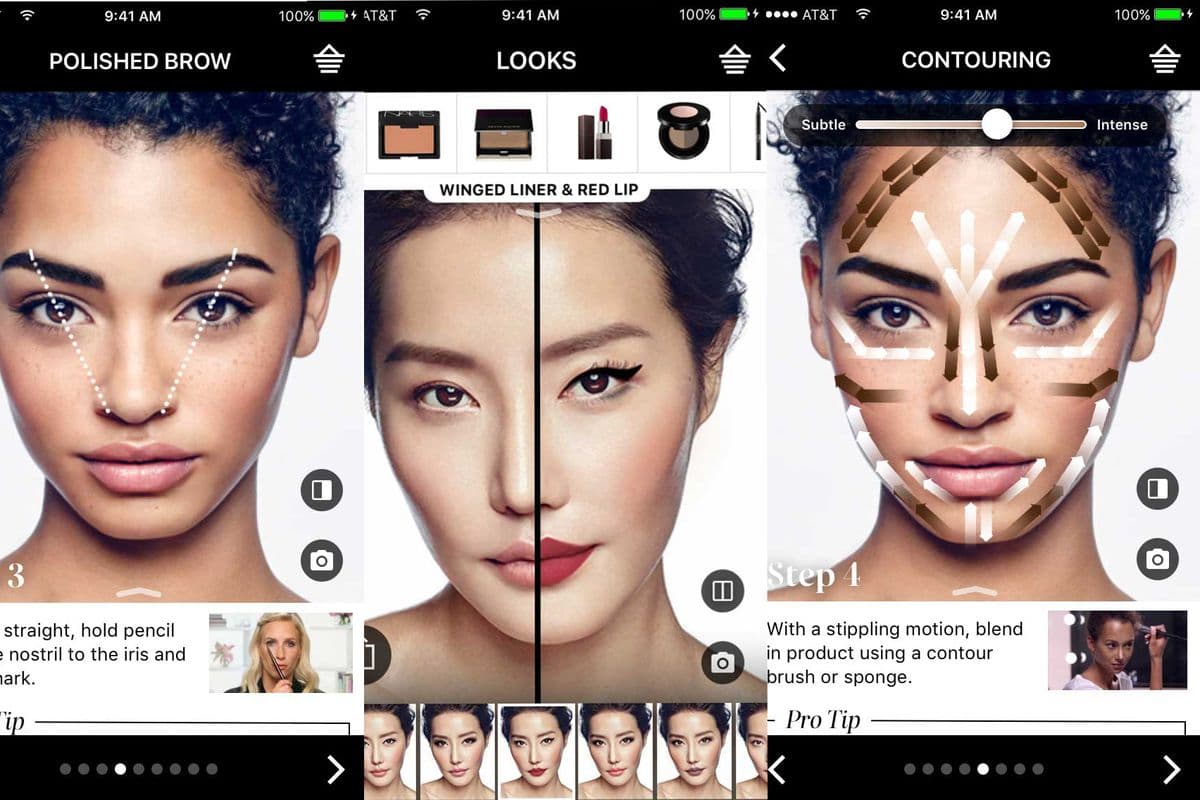
Industry leaders have demonstrated the transformative power of AR/VR implementation. Michael Kors and Zenni Optical revolutionized eyewear shopping by enabling virtual try-on experiences that eliminated the traditional barriers of online fashion retail. These platforms didn't just improve convenience—they fundamentally changed the purchase decision process by providing realistic product visualization that matched or exceeded in-store experiences. Similarly, L'Oréal's virtual makeup applications and IKEA's room visualization tools have set new standards for how consumers interact with products before purchase, resulting in higher conversion rates and significantly reduced return rates.

The market validation is compelling: the AR and VR market, which was projected to reach $209 billion by 2025, has exceeded expectations and continues expanding into new sectors including education, healthcare, real estate, and enterprise training. In 2026, these technologies are no longer emerging trends but established business tools that companies integrate into comprehensive customer experience strategies.

Sephora Virtual Artist Tutorials 5 HR.0

The success of AR and VR initiatives demonstrates a crucial principle: these technologies succeed when they solve genuine customer problems rather than showcasing technical capabilities. The most effective implementations focus on removing purchase barriers, providing valuable information, and creating memorable experiences that strengthen brand relationships.

AR and VR Market Growth

$209B
billion dollar AR and VR market size expected in four years

Successful AR/VR Brand Implementations

Michael Kors and Zenni

Both brands successfully implemented virtual try-on experiences for glasses, allowing consumers to visualize products before purchase. This strategy improved customer engagement and product loyalty.

L'Oreal and IKEA

These companies enhanced customer experience by enabling product visualization before buying. IKEA's furniture placement and L'Oreal's makeup try-on features significantly improved conversion rates.

AR/VR Marketing Benefits and Challenges

Pros
Improved customer engagement and satisfaction
Reduced return rates through better product visualization
Enhanced brand differentiation and innovation perception
Increased purchase confidence for consumers
Better customer experience and product loyalty
Cons
High development and implementation costs
Technology adoption barriers for some demographics
Need for specialized technical expertise
Platform compatibility and performance issues

Content Personalization

The era of broad-audience content strategies has definitively ended. Today's consumers expect personalized experiences that acknowledge their individual preferences, behaviors, and contexts. Content personalization has evolved from a competitive advantage to a fundamental requirement for meaningful audience engagement and sustainable business growth.

Effective personalization begins with comprehensive audience understanding. Leveraging visitor data and advanced analytics tools allows marketers to understand not just demographic information, but behavioral patterns, content preferences, purchase histories, and engagement triggers. This data enables sophisticated segmentation that goes beyond basic geographic and demographic categories to include psychographic insights, customer lifecycle stages, and predictive behaviors. The result is content that resonates on individual levels while maintaining brand consistency and strategic objectives.

The most successful personalization strategies combine historical data with real-time behavioral signals to create dynamic content experiences. Companies are using machine learning algorithms to analyze past customer interactions and predict future interests, enabling proactive content delivery that anticipates user needs. This approach has proven particularly effective in email marketing, website experiences, and social media advertising, where personalized content consistently outperforms generic alternatives in engagement rates, conversion metrics, and customer lifetime value.

Modern personalization extends beyond content topics to include optimal timing, preferred communication channels, content formats, and interaction styles. Advanced marketing teams are implementing omnichannel personalization that maintains consistent, individualized experiences across email, social media, websites, mobile apps, and even voice interfaces, creating seamless customer journeys that build stronger brand relationships and drive measurable business results.

Personalization Priority

In today's day and age, there's no such thing as one size fits all. As the new generation of customization emerges, consumers are looking for more relevancy than ever.

Content Personalization Strategy

1

Collect Visitor Data

Gather comprehensive data about your audience including geographic, demographic, and behavioral characteristics to understand who you're targeting.

2

Analyze User Patterns

Use past knowledge and data to identify trends and preferences that can inform more targeted campaign development.

3

Create Targeted Content

Develop personalized content that delivers the right information to the right audience, boosting engagement and conversion rates.

4

Implement and Optimize

Launch personalized campaigns and continuously refine based on performance data to maximize communication channel effectiveness.

Personalization Benefits

Increased User Engagement

Personalized content significantly improves user engagement rates by delivering relevant information that resonates with individual preferences and needs.

Better Customer Retention

Targeted content leads to repeated buyers and stronger customer relationships through improved understanding of consumer behavior and preferences.

Enhanced Targeting Efficiency

Geo-targeted offers and demographic-specific campaigns result in higher conversion rates and more efficient marketing spend allocation.

How to Learn

The rapidly evolving digital marketing landscape requires continuous learning and practical skill development to remain competitive. While staying current with emerging trends and technologies can feel overwhelming, structured education provides the foundation for mastering both current best practices and adapting to future innovations.

Noble Desktop's Digital Marketing courses offer comprehensive training that bridges theoretical knowledge with hands-on application. Led by active industry professionals, these programs cover essential areas including advanced SEO techniques, Google Ads optimization, social media strategy, content marketing, and emerging technologies like voice search optimization and AR/VR marketing integration. The curriculum reflects current industry standards while preparing students for evolving digital marketing challenges.

Whether you're launching a marketing career or expanding existing expertise, Noble Desktop's flexible learning options accommodate professional schedules without compromising educational quality. The Digital Marketing Certificate program provides comprehensive training that combines strategic thinking with technical execution, ensuring graduates can immediately contribute to sophisticated marketing initiatives and advance their professional trajectories in this dynamic field.

Professional Development Opportunity

Noble Desktop's Digital Marketing courses offer comprehensive training in SEO techniques, Google Ads strategies, and social media marketing from industry-leading instructors in New York City.

Digital Marketing Education Benefits

Flexible Learning Options

Courses offer flexible scheduling to accommodate working professionals while providing comprehensive curriculum coverage. This allows for skill development without career interruption.

Industry Expert Instruction

Learn from top digital marketing professionals actively working in the field. This ensures current, practical knowledge that can be immediately applied to real-world scenarios.

Key Takeaways

1Voice search is rapidly growing, with 50% of all searches expected to be voice-related by 2020, requiring optimization for natural language and long-tail keywords.
2AR and VR technologies are transforming customer experiences, with the market expected to reach $209 billion in four years, offering significant opportunities for product visualization.
3Content personalization has become essential as consumers demand more relevant experiences, requiring detailed audience data analysis and targeted campaign development.
4Successful AR/VR implementations by brands like Michael Kors, Zenni, L'Oreal, and IKEA demonstrate improved customer engagement and reduced return rates.
5Voice search optimization requires focus on conversational queries, question-based content, and natural language that matches how people actually speak.
6Personalized marketing strategies using demographic, geographic, and behavioral data lead to better customer retention and higher engagement rates.
7Companies must leverage past data and knowledge to implement new technologies like voice search and AR/VR effectively for maximum communication channel impact.
8Professional development through structured courses can accelerate learning of essential digital marketing skills including SEO, Google Ads, and social media marketing.

RELATED ARTICLES