March 22, 2026Noble Desktop/9 min read

Essential Digital Marketing Strategies

Master Digital Marketing Strategies for Business Success

Digital Marketing Success Metrics

75%
of businesses report above-average ROI from email marketing
6M
million YouTube views from Ford's Fiesta Movement campaign
40M
million Twitter post interactions from influencer campaign

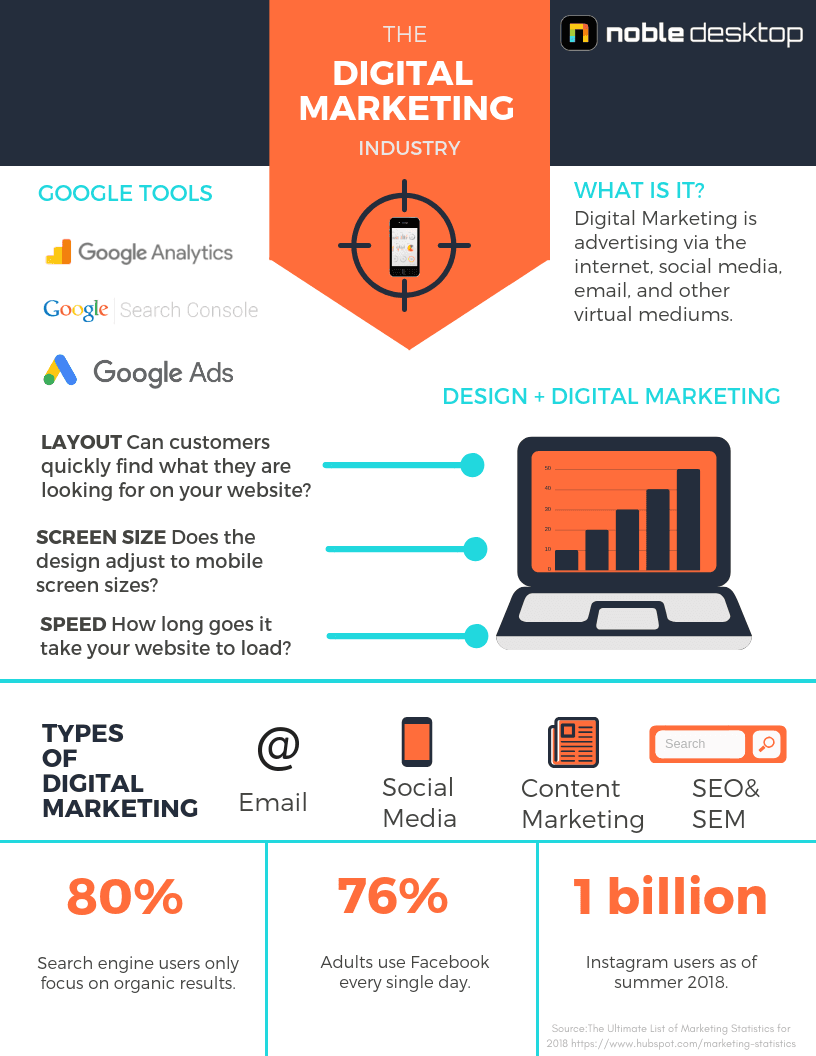
In today's hyperconnected marketplace, successful companies deploy strategic marketing campaigns—meticulously planned initiatives designed to reach specific audiences with laser-focused objectives. Whether it's re-engaging dormant customers through targeted email sequences, launching viral hashtag campaigns to amplify social media reach, or developing comprehensive content series to capture high-intent search traffic, modern marketing requires both creativity and precision.

Effective social media strategy operates as a sophisticated two-phase ecosystem: strategic planning aligned with measurable business objectives, followed by continuous optimization through rigorous Key Performance Indicator (KPI) analysis. Each digital channel demands platform-specific success metrics—while Facebook campaigns might prioritize click-through rates and engagement, Instagram strategies focus on reach and brand awareness metrics, given the platform's visual-first, link-limited environment.

Digital Marketing Jobs

The digital marketing landscape has evolved into a specialized field with distinct career trajectories, each requiring unique skill sets and expertise. Enterprise organizations often build comprehensive teams featuring Content Strategists, Email Marketing Specialists, Social Media Managers, SEO Analysts, and SEM Campaign Managers—each owning specific campaign verticals. Conversely, agile startups and mid-market companies frequently hire versatile Digital Marketing Generalists or Digital Communications Directors who orchestrate multi-channel campaigns across all platforms.

Today's most successful digital marketers master integrated, omnichannel approaches that seamlessly blend multiple strategies to create cohesive customer journeys. The most effective campaigns typically incorporate several of these core digital marketing disciplines:

  • Email Marketing
  • Social Media Marketing
  • Content Marketing
  • SEO (Search Engine Optimization)

Core Digital Marketing Roles

Content Marketer

Creates valuable content with strategic keyword placement to drive organic traffic and engage target audiences through blogs and articles.

Email Marketing Specialist

Develops segmented email campaigns with promotional and informational content to drive conversions and customer retention.

SEO/SEM Strategist

Optimizes search engine rankings through organic SEO techniques and manages paid search campaigns for maximum visibility.

Social Media Marketer

Manages brand presence across social platforms to increase followers, engagement, and brand visibility through strategic campaigns.

Email Marketing

Email Marketing

Email marketing continues to deliver exceptional ROI, with recent industry studies showing average returns of $36-42 for every dollar invested—making it one of the most cost-effective digital channels available. Modern email marketing begins with sophisticated lead capture strategies: strategically timed pop-ups offering valuable lead magnets like exclusive guides, discount codes, or premium newsletter subscriptions that provide genuine value in exchange for contact information.

High-performing email campaigns balance promotional content with genuinely valuable information—industry insights, educational content, and exclusive access that positions your brand as a trusted advisor rather than just another vendor. Advanced segmentation has become the cornerstone of email success, allowing marketers to deliver hyper-personalized experiences based on customer behavior, purchase history, engagement patterns, and lifecycle stage. Smart automation sequences can re-engage cart abandoners, nurture new subscribers, or reward loyal customers with exclusive offers.

Email Marketing Success Metrics:

  • Open Rate: Measures initial engagement and subject line effectiveness. Industry benchmarks vary by sector, but personalized subject lines and strategic emoji usage can increase open rates by 15-25%. A/B testing subject lines, sender names, and send times is crucial for optimization.
  • Click-Through Rate (CTR): Indicates content relevance and call-to-action effectiveness. Strong CTR reflects compelling copy, strategic link placement, and audience alignment. Mobile-optimized designs are essential, as over 60% of emails are opened on mobile devices.
  • Conversion Rate: The ultimate success metric, tracking completed desired actions—purchases, sign-ups, downloads, or bookings. This metric directly ties email performance to business revenue and ROI calculations.

Modern email marketing platforms provide sophisticated analytics dashboards, drag-and-drop template builders, and AI-powered send-time optimization. Advanced features include predictive analytics, dynamic content personalization, and automated lifecycle campaigns that nurture leads from first contact through customer advocacy.

Email Marketing Implementation Process

1

Capture Leads

Use website pop-ups offering valuable content like ebooks, coupons, or newsletters in exchange for email addresses

2

Segment Audience

Group customers based on behavior, purchase frequency, and preferences for personalized messaging

3

Create Valuable Content

Mix promotional materials with genuinely helpful articles and industry news that benefit customers

4

Optimize and Test

Use A/B testing for subject lines and analyze open rates, click-through rates, and conversion metrics

Email Marketing Success Metrics

Open Rate Impact
85
Click-Through Rate
65
Conversion Rate
45

Social Media Marketing

Social Media

While email marketing drives direct conversions, social media marketing excels at brand building, community engagement, and expanding market reach through organic and viral distribution. The social landscape has matured significantly, with successful brands like Fashion Nova leveraging user-generated content campaigns—their #NovaBabe hashtag has generated millions of authentic customer posts, creating a self-sustaining content ecosystem that builds brand loyalty while reducing content creation costs.

Platform selection requires deep audience insight and strategic alignment. TikTok and Instagram dominate Gen Z engagement, LinkedIn remains essential for B2B relationships, while Facebook continues to effectively reach millennials and Gen X demographics. Emerging platforms like Threads and BeReal require constant evaluation as social media adoption patterns shift rapidly.

Influencer marketing has evolved into a sophisticated industry, with micro-influencers (10K-100K followers) often delivering higher engagement rates and authenticity than macro-influencers. Smart brands focus on long-term partnerships rather than one-off posts, building genuine relationships that resonate with audiences. Ford's legendary Fiesta Movement campaign demonstrated this approach perfectly—by providing 100 influencers with six-month vehicle loans, they generated over 6.5 million YouTube views and 50,000+ requests for more information, proving that authentic experiences create more compelling content than traditional advertising.

Social Media Marketing Success Metrics:

  • Follower Growth: Quality matters more than quantity. Engaged, relevant followers drive better business outcomes than vanity metrics. Brands like Nike (over 300 million total followers across platforms) and National Geographic demonstrate how consistent, high-quality content builds massive, engaged audiences.
  • Engagement Rate: Likes, comments, shares, and saves indicate content resonance and algorithm favorability. Most platforms prioritize engagement in their algorithms, making this metric crucial for organic reach. Advanced analytics tools provide engagement rate benchmarking and competitor analysis.

Master platform-specific strategies and build authentic brand communities in our comprehensive social media marketing courses.

Social Media Platform Selection

FeatureB2C BrandsB2B Companies
Primary PlatformsInstagram, SnapchatLinkedIn, Facebook
Target AudienceMillennials, Gen ZProfessionals, Decision Makers
Content FocusVisual, LifestyleIndustry News, Expertise
Success MetricsFollowers, EngagementLead Generation, Conversions
Recommended: Choose platforms based on where your target audience actively engages rather than following trends
Influencer Marketing Success Story

Ford's Fiesta Movement campaign lent cars to influential individuals for six months, resulting in over 6 million YouTube views and 40 million Twitter interactions, demonstrating the power of authentic influencer partnerships over traditional celebrity endorsements.

Content Marketing

Content Marketing

Content marketing has evolved far beyond basic blogging into a sophisticated discipline that combines storytelling, SEO expertise, and audience psychology. Successful content strategies balance evergreen resources—timeless, continuously valuable content—with trending topics that capture immediate attention and demonstrate industry leadership.

The most effective content marketing transcends product promotion, focusing instead on solving genuine customer problems. A luxury wedding cake designer might create comprehensive guides covering venue selection, budget planning, timeline management, and vendor coordination—topics their ideal customers actively research. This approach positions the brand as an industry authority while naturally attracting qualified leads through search and social sharing.

Modern content marketing requires sophisticated keyword research and search intent understanding. Long-tail keywords like "gluten-free wedding cake baker Manhattan" typically convert better than broad terms because they capture specific, high-intent searches. Content clusters—interconnected articles covering related subtopics—help establish topical authority and improve overall search visibility.

Content Marketing Success Metrics:

  • Organic Traffic Growth: Sustainable month-over-month increases in search-driven website visitors indicate content effectiveness and SEO success. Top-performing content strategies generate 50-200% annual traffic growth through consistent, high-quality publishing.
  • Bounce Rate Optimization: Lower bounce rates signal content relevance and user experience quality. Engaging introductions, clear formatting, internal linking, and fast load times all contribute to keeping visitors engaged and exploring additional content.
  • Content Engagement Depth: Time on page, pages per session, and content sharing indicate true audience value. Advanced analytics reveal which topics resonate most, informing future content strategy and identifying expansion opportunities.

Content Marketing Strategy Considerations

Pros
Provides genuine value to target audience beyond direct sales
Long-tail keywords perform better than short generic phrases
Evergreen content maintains relevance and drives sustained traffic
Strategic keyword placement improves search engine rankings
Cons
High bounce rates can negatively impact search engine rankings
Requires consistent creation of valuable, relevant content
Results take time to build compared to paid advertising
Content must balance SEO optimization with user value

Content Marketing Best Practices

0/4

SEO (Search Engine Optimization) and SEM (Search Engine Marketing)

Seo Sem

Search Engine Optimization remains the cornerstone of digital marketing, with Google processing over 8.5 billion searches daily in 2026. SEO has evolved into a multifaceted discipline encompassing technical website optimization, content strategy, user experience design, and authority building through strategic link acquisition. Modern SEO requires understanding Google's sophisticated AI algorithms, including RankBrain and MUM, which prioritize user intent and content comprehensiveness over traditional keyword density.

Search Engine Marketing (SEM) provides immediate visibility through paid advertising, complementing long-term SEO efforts. Successful SEM campaigns require sophisticated keyword research, compelling ad copy, optimized landing pages, and continuous bid management. Smart advertisers use dayparting, geographic targeting, and audience segmentation to maximize ROI while minimizing wasted spend.

Understanding SEM pricing models is crucial for campaign optimization. Each model serves different objectives and requires distinct optimization approaches:

  • CPC (Cost-Per-Click): Pay only when users click your ad—ideal for driving website traffic and conversions
  • PPC (Pay-Per-Click): Alternative term for CPC, commonly used interchangeably in the industry
  • CPM (Cost Per Mille): Pay per thousand impressions—effective for brand awareness campaigns and retargeting

SEO and SEM Success Metrics:

  • Organic Traffic Growth: Sustainable increases in non-paid search traffic indicate SEO success and compound over time, creating long-term competitive advantages and reduced customer acquisition costs.
  • Search Rankings and Visibility: First-page rankings are essential, with the top three results capturing over 60% of all clicks. Position zero (featured snippets) and local pack inclusion can dramatically increase click-through rates.
  • SEM Conversion Optimization: Successful paid campaigns achieve positive ROI through strategic keyword selection, compelling ad creative, and conversion-optimized landing pages. Quality Score improvements reduce costs while improving ad positioning.

Develop comprehensive search marketing expertise in our intensive SEO classes in NYC, where you'll learn both foundational principles and advanced optimization techniques.

SEO vs SEM Strategy Comparison

FeatureSEO (Organic)SEM (Paid)
Cost StructureFree traffic generationCPC/PPC/CPM payment models
Results TimelineLong-term strategyImmediate visibility
SustainabilityLasting organic rankingsVisibility ends when budget stops
CompetitionCompete through content qualityCompete through bid amounts
Recommended: Combine both strategies for maximum search engine visibility and sustainable growth

SEM Payment Models Explained

CPC - Cost Per Click

Pay only when users click on your advertisement, making it performance-based and budget-efficient for driving traffic.

PPC - Pay Per Click

Alternative term for CPC model, emphasizing the click-based payment structure for search engine advertising campaigns.

CPM - Cost Per Mille

Pay per thousand impressions regardless of clicks, ideal for brand awareness campaigns and maximum visibility.

Google and Digital Marketing

Google's ecosystem dominates digital marketing, controlling over 90% of global search traffic and generating hundreds of billions in annual advertising revenue. Mastering Google's tools and platforms is essential for digital marketing success, as the company continues expanding its influence across every digital touchpoint.

Google's Business Suite provides powerful freemium tools that can transform marketing performance when properly utilized. These integrated platforms offer sophisticated analytics and optimization capabilities:

  • Google Analytics 4: Advanced cross-platform analytics tracking user journeys across websites, apps, and offline touchpoints. Features include predictive metrics, custom audiences, and enhanced e-commerce tracking.
  • Google Search Console: Essential for SEO management, providing search performance data, technical issue identification, and indexing insights that inform content and optimization strategies.
  • Google Ads: Comprehensive advertising platform spanning search, display, video, shopping, and app campaigns. Advanced features include automated bidding, responsive ads, and audience targeting across Google's extensive partner network.

Gain hands-on expertise with Google's most powerful marketing tools in our practical Google Analytics classes and comprehensive Google Ads training in NYC.

Essential Google Business Suite Tools

Google Analytics

Comprehensive website traffic analysis including visitor locations, popular pages, and user behavior patterns for data-driven decisions.

Google Search Console

Monitor which website pages are indexed by Google and receive actionable insights for improving search visibility.

Google Ads

Purchase targeted advertising space on Google search results and partner sites like Ask.com for immediate visibility.

Google's Market Dominance

Google is the world's most widely used search engine, with Google Ads revenue exceeding both Bing and Yahoo combined, making Google tools essential for any digital marketing strategy.

Web Design and Digital Media

Outstanding web design has become inseparable from digital marketing success, as user experience directly impacts conversion rates, search rankings, and customer satisfaction. Modern consumers expect fast, intuitive, mobile-optimized experiences—websites that fail to deliver lose potential customers within seconds.

Core design principles that directly influence marketing performance include:

  • Site Speed Optimization: Page load times under three seconds are crucial for maintaining user engagement and search rankings. Optimized images, efficient code, and content delivery networks (CDNs) all contribute to superior performance that directly impacts conversion rates.
  • Mobile-First Responsive Design: With mobile traffic exceeding desktop across most industries, Google's mobile-first indexing makes responsive design essential for search visibility. Touch-friendly interfaces, readable fonts, and streamlined navigation are non-negotiable.
  • Conversion-Focused UX: Strategic layout design guides visitors toward desired actions through clear information hierarchy, prominent calls-to-action, intuitive navigation, and frictionless purchase processes. A/B testing different design elements can significantly improve conversion rates.

Learn to create high-converting, marketing-optimized websites in our comprehensive web design classes that blend aesthetic principles with performance optimization.

Critical Web Design Elements for Marketing Success

0/4
Mobile-First Design Imperative

Google recently optimized its algorithm to favor mobile-friendly designs. Websites without responsive layouts that work across all screen sizes risk significant drops in search rankings and user engagement.

Digital Marketing Classes at Noble Desktop

Whether you're an entrepreneur scaling your business, a marketing professional advancing your career, or a creative looking to master digital strategy, developing comprehensive digital marketing skills is essential for success in today's economy. Our industry-leading digital marketing courses provide hands-on training in all essential disciplines—SEO, SEM, email marketing, social media strategy, and analytics—taught by active industry practitioners who bring real-world insights and current best practices directly to your learning experience.

Key Takeaways

1Email marketing delivers above-average ROI for 75% of businesses when combining promotional content with genuinely valuable information and customer segmentation
2Social media platform selection should align with target audience demographics rather than following trends, with B2C brands focusing on Instagram and B2B on LinkedIn
3Content marketing success depends on creating evergreen content with strategic long-tail keyword placement that provides value beyond direct product promotion
4SEO and SEM strategies work best when combined, offering both sustainable organic growth and immediate paid visibility for comprehensive search engine presence
5Google's suite of free tools including Analytics, Search Console, and Ads are essential for any digital marketing strategy due to Google's market dominance
6Web design directly impacts marketing success through three critical factors: loading speed, mobile responsiveness, and intuitive navigation layout
7Digital marketing roles can be specialized by channel or combined depending on company size, requiring marketers to understand multiple strategies for career flexibility
8Success metrics vary by marketing channel, from email open rates and social media engagement to website traffic and search engine ranking positions

RELATED ARTICLES