March 22, 2026 (Updated April 1, 2026)David Karlins/10 min read

Creating Your Design Resume

Build a compelling design resume that opens doors

Portfolio and Resume Synergy

Your resume is your closer, providing details on your academic background, work projects, and skillset. Build portfolios and resumes together for maximum efficiency and consistency.

1

Your resume is your strategic closing argument—a carefully crafted document that showcases your academic credentials, project portfolio, technical skills, and the unique value proposition that sets you apart in today's competitive market.

The most effective approach treats portfolios and resumes as complementary assets. As you document projects and organize materials for your portfolio, you're simultaneously building a rich library of achievements that can be strategically deployed across both platforms, maximizing the impact of every accomplishment.

Creating your design resume as you build your portfolio

The documentation work you invest in portfolio development pays dividends when crafting your resume. When you detail how you applied skills from a certificate program—whether in full-stack development, front-end development, or JavaScript development—you're creating content that strengthens both your portfolio narrative and resume entries.

Academic projects deserve professional treatment on your resume. While you must maintain honesty about the context, you can frame these experiences using industry language. Instead of saying "completed a class assignment," try "developed a prototype mobile application addressing user experience challenges" or "collaborated with a team to deliver a responsive web solution under tight deadlines."

This dual-purpose approach transforms every project documentation session into an investment in both your portfolio presentation and resume content. The key is developing a systematic method for capturing not just what you created, but how you approached problems, what tools you mastered, and what results you achieved.

Double-Purpose Documentation Strategy

Portfolio Projects

Document skills applied from certificate programs like full-stack development or JavaScript. Present class projects in professional style by saying you were 'tasked with creating a prototype for an app.'

Resume Content

Repurpose portfolio documentation for resume entries. Reference class projects professionally while organizing and documenting your work library.

Elements of a professional resume

2

Effective resumes demonstrate ruthless editing. A focused, tightly written document that eliminates unnecessary detail vastly outperforms a lengthy resume padded with irrelevant responsibilities from years-old part-time jobs. Remember: hiring managers typically spend fewer than 30 seconds on initial resume reviews.

The foundational elements of a design resume include:

  1. Name and contact information
  2. Professional skills
  3. Work experience
  4. Education
  5. Other accomplishments / skills

While these five components form the traditional resume backbone, this standard structure doesn't address the unique challenges facing students transitioning into professional roles. The classic catch-22 persists: gaining experience requires having experience.

As an emerging professional, you'll need to strategically reorder and emphasize different sections to showcase your strongest assets first, even if they're academic rather than professional achievements.

Traditional Resume Structure

1

Name and Contact Information

Professional email, phone number, and LinkedIn profile at the top

2

Professional Skills

Concise list of relevant technical abilities and software proficiency

3

Work Experience

Professional projects and employment history in reverse chronological order

4

Education

Academic background emphasizing design and technical training

5

Other Accomplishments

Additional skills, volunteer work, and relevant personal projects

Student Adaptation Required

As a student entering the workforce, you face the classic dilemma of needing experience to get experience. Shape and fill out your resume differently than someone with substantial work history.

Ordering, filtering, and populating your resume

The strategic adaptation of traditional resume formats can effectively position you as a capable professional despite limited work history. Here's how to optimize each section for maximum impact as a new graduate.

Contact information

Your contact section anchors every interaction, so precision matters. Beyond the obvious requirement for your name, several elements demand careful attention.

Your email address must project professionalism. If you're still using creative addresses from your teenage years, establish a clean firstname.lastname@gmail.com address immediately. This simple change signals maturity and attention to detail that hiring managers notice.

Include a reliable phone number where you can receive messages promptly. In 2026's competitive job market, delayed responses can eliminate opportunities before they begin.

Your LinkedIn profile URL deserves equal prominence with your phone and email. Since LinkedIn functions as your extended resume and professional network hub, ensure your profile content aligns with your resume messaging. The material you develop for both documents should create a cohesive professional narrative.

Physical addresses have become optional in our remote-work era. Include your full address only when certain it won't disadvantage you. If applying for location-specific positions where you'd need to relocate, consider listing only your city and state, then address logistics in your cover letter.

Essential Contact Elements

0/4

Education / classes

For new graduates, education often represents your strongest selling point, so position it strategically. Until you accumulate substantial professional achievements, lead with educational credentials that directly support your career objectives.

Focus on education that addresses specific industry skill gaps:

  1. Organize education in reverse-chronological order, emphasizing your most recent and relevant training programs.
  2. Highlight your most impressive coursework with specific project descriptions. Detail 3-4 classes where you produced work that demonstrates job-relevant capabilities.
  3. Minimize high school accomplishments unless they're exceptionally relevant. Your recent skill development should command primary attention.
  4. Include relevant certifications, bootcamp completions, and specialized training that complement your formal education.

Skills

Rather than creating isolated skills lists, integrate your technical capabilities into experience descriptions. This approach provides context and demonstrates practical application.

Compare these approaches:

Weak: Skills: Adobe Illustrator, Adobe Photoshop, After Effects, Adobe XD.

Strong: "Designed and animated brand icons using Illustrator and After Effects, optimized web graphics through Photoshop workflows, and created interactive prototypes in XD that informed final development decisions."

Precision in software naming reflects attention to detail that employers value. Verify official spelling and capitalization:

  • Lightroom not LightRoom or Light Room
  • JavaScript not Javascript or javascript
  • Arduino Uno not Arduino UNO
  • After Effects not AfterEffects
  • Figma not figma
  • React not react or REACT

When uncertain, consult official documentation. These details matter more than you might expect—incorrect software names can signal inexperience to technical reviewers.

Skills Presentation Methods

FeatureIntegrated ApproachSimple List
ExampleCreated animated icons using Illustrator and After Effects, prepared artwork for the Web with PhotoshopSkills: Adobe Illustrator, Adobe Photoshop, After Effects
ImpactShows practical applicationLists capabilities only
Employer ValueDemonstrates real-world usageRequires interpretation
Recommended: Integrate skills into experience descriptions to show practical application rather than listing them separately.
Proper App Name Formatting

Triple check spelling and capitalization: Lightroom (not LightRoom), JavaScript (not Javascript), Arduino Uno (not Arduino UNO), After Effects (not AfterEffects). Check official websites when in doubt.

Work background

Strategically emphasize aspects of your work history that align with your career direction. If your retail job included website updates, social media management, or customer data analysis, foreground those responsibilities over routine tasks like inventory management.

Consider retitling this section as "Projects" to create flexibility for including academic work, personal initiatives, and volunteer contributions. This framing allows you to present diverse experiences as professional accomplishments: social media campaigns for local businesses, websites built for community organizations, or applications developed to solve real-world problems.

Academic projects deserve professional presentation when they demonstrate relevant skills. Frame them in terms of objectives achieved, challenges overcome, and results delivered. The goal is showcasing your ability to execute creative solutions within constraints—a core professional competency regardless of the project's origin.

Work Section Strategies

Highlight Relevant Tasks

If you worked retail but occasionally updated the store's website, emphasize the website work over stocking shelves or inventory tasks.

Reframe as Projects

Title this section as Projects to include school work, family projects, posters for musicians, social media campaigns, or coding projects for friends' businesses.

Other accomplishments

Strategic inclusion of extracurricular achievements can demonstrate valuable professional qualities: work ethic, reliability, creative problem-solving, and leadership potential.

Consider highlighting:

  • Athletic participation (teamwork, goal orientation, performance under pressure)
  • Volunteer leadership roles (project management, community engagement)
  • Tutoring or mentoring experience (communication skills, subject mastery)
  • Creative accomplishments in music, theater, or visual arts (creativity, performance, discipline)
  • Entrepreneurial ventures, even small ones (initiative, business thinking)

If your extracurricular profile feels thin, actively seek opportunities to contribute your developing skills to organizations that need them. This investment pays dividends in both resume content and professional network building.

Valuable Accomplishments to Include

0/4

Present a confident, professional tone

3

Your resume must project competence and professionalism from the first glance. Every element should reinforce your capability and attention to detail.

Meticulous proofreading is non-negotiable. A single typo in a company name or software application can derail an otherwise impressive candidacy. Use multiple review methods: read aloud, print for paper review, and enlist trusted colleagues for fresh-eyes feedback.

Maintain professional tone throughout. While personality matters, your resume isn't the place for casual language or overly personal revelations. Focus on demonstrating value to potential employers rather than showcasing individual quirks.

After completing your initial draft, conduct a comprehensive revision focusing on language impact. Resources like Grammarly's guide to resume power words can help you replace weak language with compelling alternatives that command attention and respect.

Professional Presentation Checklist

1

Careful Proofreading

A misspelled app name or company name can doom an otherwise impressive design resume

2

Professional Tone

Suppress urges to reveal more about yourself than an employer needs to know

3

Improve Wording

After first draft, enhance structure using powerful resume words from professional resources

Look good

Resist the temptation to create elaborate custom layouts. Professional resume design prioritizes clarity and scannability over visual novelty. Employers need to find information quickly, and unconventional layouts can hinder rather than help.

Reliable sources for professional resume templates include:

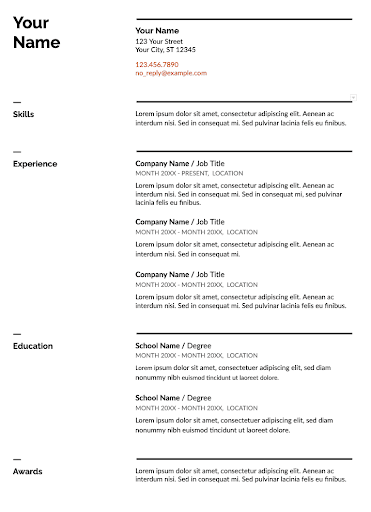
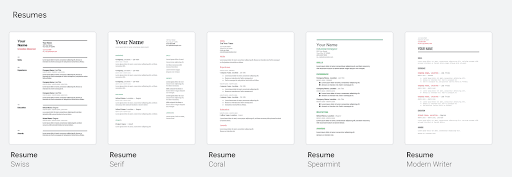
Google Docs provides clean, tested resume templates. Access them through File > New > From Template and explore the resume collection. These templates are optimized for both human readers and applicant tracking systems (ATS) that many employers use for initial screening.

4

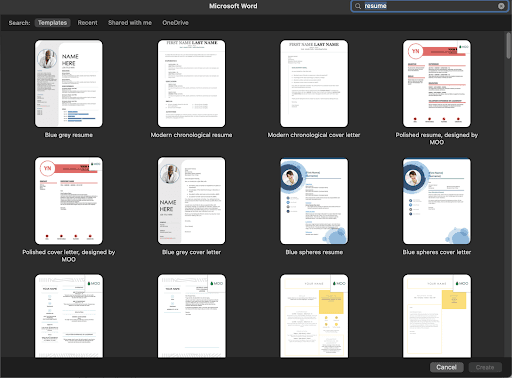
Microsoft Word offers professionally designed resume templates with matching cover letter formats. Navigate to File > New From Template and search for "Resumes" to access current options.

5

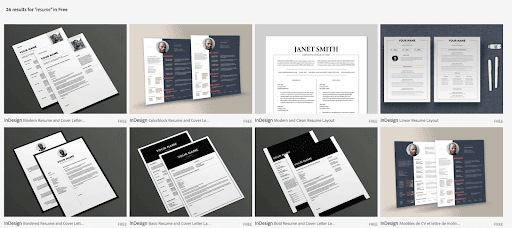
Adobe Stock Images features sophisticated resume templates for users comfortable with Illustrator or InDesign. While these can create visually striking results, ensure any template you choose remains ATS-friendly and doesn't prioritize aesthetics over functionality.

6

Resume Template Sources

Google Docs

Clean resume templates available through File > New > From Template. Tested and professionally designed layouts.

Microsoft Word

Resume templates paired with cover letters through File > New From Template and search for Resumes.
Adobe Stock

Free resume templates for Illustrator or InDesign if you're adept at Adobe applications.

Do not include…

Certain elements can actively harm your resume's effectiveness. Here are the most important things to avoid:

Do not exceed one page. For emerging professionals, conciseness demonstrates judgment and respect for reviewers' time. The constraint of single-page formatting forces you to prioritize your strongest content while eliminating filler. If you're struggling to fit everything on one page, that's typically a signal that you're including too much detail rather than too many accomplishments. Seek feedback from mentors or career services professionals to help refine your content.

Do not list a desired position. Position targeting belongs in cover letters, not resumes. Your resume should demonstrate capabilities and achievements that could apply to multiple opportunities. Career paths rarely unfold exactly as planned, and your first professional role serves as a gateway to broader possibilities rather than a final destination. Let your qualifications speak for themselves.

Filter personal interests carefully. Include hobbies and interests only when they demonstrate relevant skills or valuable qualities. A passion for organizing community events shows project management capabilities; competitive gaming might demonstrate strategic thinking and performance under pressure. However, avoid controversial topics or highly niche interests that might inadvertently exclude you from consideration. When in doubt, ask whether the interest demonstrates a professional skill or quality that employers value.

Do not include a photo. In design and development fields, photos can distract from your technical capabilities and work quality. You're selling skills and problem-solving abilities, not appearance. Additionally, many employers prefer resumes without photos to avoid potential bias claims and ensure focus remains on qualifications.

Resume Length Guidelines

Pros
One page forces you to filter content and highlight your best work
Meets employer expectations for entry-level candidates
Eliminates clutter and unnecessary details
Easier for employers to review quickly
Cons
May feel limiting when you have multiple experiences to share
Requires careful editing and prioritization of content
Avoid These Common Mistakes

Do not list desired positions, include photos, share hobby details that might alienate employers, or make your resume publicly downloadable from your portfolio site.

Do not post your resume at your portfolio

While portfolio accessibility is important, making your resume publicly downloadable creates unnecessary risks without meaningful benefits. Instead, include an inviting call-to-action that encourages interested parties to request your resume directly.

The risks of public resume posting include:

  • Privacy and security concerns: Automated bots harvest contact information from publicly accessible documents, potentially subjecting you to spam, scams, or worse. Your personal information deserves protection.
  • Lost opportunity intelligence: When people request your resume, you gain valuable insight into who's interested in your work and why. This information helps you tailor your follow-up communications effectively.
  • Customization advantages: Knowing who wants to see your resume allows you to customize both the document and accompanying materials for specific opportunities, significantly improving your response relevance and impact.

A simple "Resume available upon request" with contact information or inquiry form strikes the right balance between accessibility and strategic communication.

Three Key Reasons to Keep Resume Private

Web Security Concerns

Bots and trolls, ranging from annoying to dangerous, do not need access to your personal contact information.

Track Interest Levels

You can identify who is genuinely interested in learning more about your work and qualifications.

Customization Opportunities

Knowing who requests your resume allows you to customize cover letters and tailor content to specific employers or clients.

4 Takeaways

Your resume should reflect the same design sensibility and attention to detail that you bring to your creative work, serving as both a document and a demonstration of your professional capabilities.

  1. Embrace conciseness: One page maximum for new professionals. Every word should earn its place by demonstrating value or capability.
  2. Prioritize recent relevance: List experiences in reverse chronological order, ensuring your most current and applicable skills receive primary attention.
  3. Perfect your presentation: Meticulous proofreading isn't optional—it's a fundamental demonstration of the care you'll bring to professional work.
  4. Control distribution strategically: Make your resume available "on request" rather than posting it publicly. The benefits of strategic sharing far outweigh the convenience of open access.

Key Takeaways

1Build your portfolio and resume simultaneously to maximize efficiency and create consistent professional materials that reinforce each other
2Adapt traditional resume structure as a student by leading with education and skills, then transitioning to experience-first format as you gain professional work
3Integrate skills into experience descriptions rather than listing them separately to demonstrate practical application and real-world usage
4Maintain strict one-page limit for entry-level design resumes to force content prioritization and meet employer expectations
5Present class projects professionally by describing them as tasks you were assigned rather than portraying them as professional work
6Keep resume contact information professional with firstname.lastname email format and include LinkedIn profile as third most important contact element
7Never post your resume publicly on your portfolio site due to security risks, instead offer it on request to track interest and customize submissions
8Proofread meticulously as misspelled app names or company names can immediately disqualify an otherwise impressive design resume

RELATED ARTICLES