March 22, 2026 (Updated April 1, 2026)David Karlins/9 min read

Be a Dynamic Networker

Transform Your Job Search with Strategic Networking

Shotgun vs. Focused Job Search Approaches

FeatureShotgun ApproachDynamic Approach
StrategyMass resume submissionsTargeted company research
Success RateLow expectationHigher productivity
Time InvestmentHours on applicationsFocused preparation
Employer ConnectionGeneric applicationsCustomized outreach
Recommended: Dynamic approach delivers better results through strategic focus

Modern job searching demands strategic thinking. You have two fundamental approaches at your disposal:

  • Cast a wide net by posting your resume on job boards, optimizing your LinkedIn profile, and waiting for interview invitations to arrive. 
  • Or take targeted action: identify specific positions where you're an ideal fit and pursue them through strategic outreach and customized applications. 

The difference between these approaches determines whether you'll spend months in job search limbo or land your ideal role quickly. 

Approach #1: While posting your resume and applying broadly remains essential groundwork, relying solely on this passive strategy is fundamentally flawed. This "spray and pray" method treats job searching like a numbers game, scattering applications across dozens of openings without meaningful differentiation. The result? Your resume disappears into applicant tracking systems alongside hundreds of others. 

Approach #2: This strategic method builds on the foundation of Approach #1 but adds purposeful action. Instead of waiting for opportunities to surface through algorithm-driven job alerts, you proactively research and pursue specific roles through personalized outreach, tailored applications, and strategic networking. You become the hunter, not the hunted.

A Focused Approach to Networking

2

Extensive research from career placement experts, recruiting professionals, and successful job seekers consistently validates the superiority of focused job searching. The data is compelling: targeted approaches reduce time-to-hire by 60-70% compared to passive application strategies. 

Industry experts make the case convincingly:

  • "[Job seekers have a low expectation of success, so] people do a very defensive job search, and by that I mean they're job searching not for success but for stats: how many resumes did you submit today? how many hours did you spend? To me, that's devastating because people are trying to win social proof through their efforts rather than actually be successful — they know [online job postings] are black holes, but they just don't know what else to do." (Articles — The 2-Hour Job Search)
  • "'As a career coach, I strive to teach right-tech rather than high-tech. For example, I can't stress enough the importance of connecting to the right people in a job search. Develop a list of employers you are interested in and try to find people in those places who might help you." (If You Wouldn't Eat Cereal With a Fork, Why Would You Use Social Media for a Job Search? )
  • "A focused job search lands jobs in a fraction of the time. It may seem counterintuitive, but it's true. ...employers are looking for you to fulfill a specific function within their operations perfectly… (A Successful Job Search is a Focused One).
  • "Targeting and focusing your job search can eliminate the stress of mass mailings and the waiting game. Rather than focusing your time and effort on getting as many resumes out as possible, targeting specific industries, companies, or areas helps in identifying positions that you qualify for and are interested in." (5 Tips for a More Focused, Targeted Job Search).
  • "When looking for a job you cannot afford to focus on more than one specific area of opportunity." (The Secret to Focusing Your Job Search)

The strategic logic is irrefutable. A focused approach doesn't eliminate your chances through traditional channels—if a recruiter discovers your profile and initiates contact about a role you want, that's a win worth pursuing with equal intensity. The focused approach simply adds a proactive dimension that dramatically increases your odds of success.

Dynamic job networking operates on a simple principle: reverse engineer your ideal outcome. After establishing your professional presence on LinkedIn, identify positions that align with your location preferences, compensation requirements, and career goals. Then systematically research and pursue them through multiple touchpoints—direct applications, informational interviews, and strategic networking.

While numerous platforms support this approach, we'll concentrate on Glassdoor as your primary intelligence-gathering tool.

People are trying to win social proof through their efforts rather than actually be successful — they know online job postings are black holes, but they just don't know what else to do.
Career coaching insight from The 2-Hour Job Search methodology
The Logic of Dynamic Networking

Work backwards from your target job. You lose nothing by maintaining standard applications while adding focused outreach to specific opportunities that match your goals.

About Glassdoor

3

Glassdoor has evolved far beyond a simple job board to become the most comprehensive workplace intelligence platform available. Think of it as LinkedIn's analytical counterpart—while LinkedIn shows you who works where, Glassdoor reveals what it's actually like to work there. This insider perspective, crowdsourced from millions of current and former employees, provides the strategic intelligence that separates successful candidates from the competition.

Glassdoor's professional arsenal includes:

  • Over 100 million company reviews featuring detailed salary data, company culture insights, management assessments, and candid discussions of work-life balance across virtually every major employer.
  • Granular skill requirements and competency maps for specific roles, often more detailed than official job postings.
  • First-hand interview experiences from actual candidates, including specific questions asked, assessment formats used, and post-interview feedback that reveals what companies truly value.
  • The Know Your Worth salary calculator, which provides personalized compensation estimates based on your specific experience, location, and industry benchmarks—essential intelligence for negotiation.

Glassdoor's registration process requires contributing a workplace review to access the platform's full capabilities. This reciprocal model ensures fresh, authentic content while democratizing workplace transparency. Any legitimate work experience—from retail positions to internships—qualifies as review material, making the platform accessible regardless of your employment history.

Glassdoor's Unique Value Proposition

Employee Reviews

Access millions of candid reviews covering salaries, company culture, benefits, and working environments from current and former employees.

Interview Intelligence

Read real interview experiences including specific questions asked and what led to successful hiring decisions.

Salary Insights

Get personalized salary estimates through Know Your Worth tool based on your experience, location, and market data.

Learn About Companies

Comprehensive company research serves three strategic objectives that directly impact your job search success. First, you gain authentic insights into workplace culture, management quality, and growth trajectory—intelligence that helps you avoid toxic environments and identify genuinely attractive opportunities. Second, this knowledge enables you to craft compelling applications that demonstrate cultural fit and address specific company pain points. Finally, thorough preparation allows you to enter interviews as an informed insider rather than a generic applicant, positioning you as someone who's already invested in the company's success.

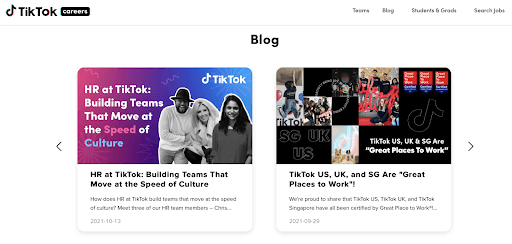
Begin your research with the company's official website, annual reports, and recent press releases. This establishes baseline knowledge of their mission, products, recent achievements, and strategic direction. While this public-facing content presents an idealized view, understanding how the company positions itself provides valuable context for tailoring your application and interview responses.

4

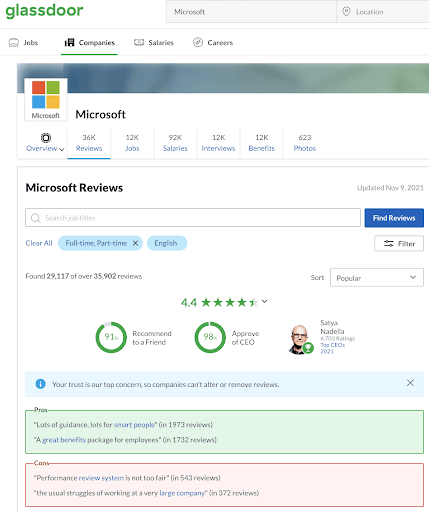
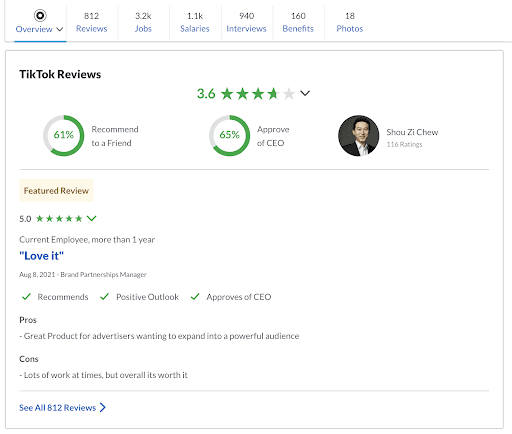
Next, dive deep into Glassdoor's employee reviews to uncover the unvarnished reality. Pay particular attention to reviews from employees in your target department or role, focusing on comments about management effectiveness, career development opportunities, and day-to-day work challenges. Look for patterns across multiple reviews rather than isolated complaints or praise—this reveals systemic strengths and weaknesses that will impact your potential experience.

5

Company Website vs. Glassdoor Research

Pros
Official company information and values
Latest news and company updates
Professional presentation of opportunities
Direct application portals and requirements
Cons
Only shows positive company aspects
Limited insight into actual work culture
No salary or benefit details
Lacks employee perspective on management

Prepare for Interviews

Interview preparation separates serious candidates from hopefuls. While general interview advice provides a foundation—we recommend 13 Tips for a Successful Interview as a starting point—your competitive advantage comes from company-specific intelligence that most candidates never access. 

Glassdoor's interview section transforms preparation from guesswork into strategic planning. Search for interview experiences specific to your target company and role, then analyze patterns in the questions asked, assessment methods used, and feedback provided. This intelligence reveals what each company values most in candidates and how they evaluate cultural fit.

6

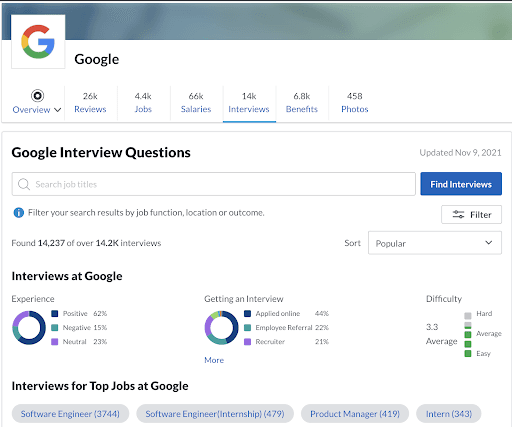
For major corporations, thousands of interview reports provide statistically significant insights into hiring patterns and preferences. Filter these reports by specific positions to identify role-specific expectations and commonly asked technical or behavioral questions. Transform this intelligence into practice sessions where you rehearse responses to likely questions while incorporating company-specific knowledge that demonstrates your preparation and genuine interest.

7
Data-Driven Interview Preparation

Large companies have thousands of interview reports on Glassdoor, filterable by position. Study these real experiences to practice specific questions and understand what leads to hiring success.

Dynamic Job Networking Step by Step

8

Dynamic networking is a methodology, not a rigid formula. Success comes from adapting these principles to your specific situation while maintaining consistent focus and professionalism. Here's a proven framework for transforming networking tools into job offers:

  1. Identify one to three ideal positions that align with your skills, location preferences, and compensation requirements. Use multiple sources—LinkedIn Jobs, company career pages, industry-specific boards, and networking contacts—to ensure you're targeting the best available opportunities.
  2. Conduct comprehensive company research across multiple channels:
    1. Map the organizational structure of your target department and identify key personnel you might work with or report to.
    2. Reach out strategically through LinkedIn with personalized messages requesting brief informational interviews. Frame these as learning opportunities rather than job requests—most professionals will spend 10-15 minutes helping someone genuinely interested in their field.
  3. Extract actionable intelligence from Glassdoor research:
    1. Catalog both technical and soft skills consistently mentioned in job reviews and interview reports.
    2. Identify cultural values, communication styles, and workplace priorities that resonate throughout employee feedback.
  4. Craft a role-specific resume that emphasizes the exact skills and experiences most relevant to your target position. Generic resumes fail because they force recruiters to hunt for relevant qualifications.
  5. Optimize your LinkedIn profile to reinforce the personal brand established in your customized resume, ensuring consistent messaging across all professional touchpoints.
  6. Write a compelling cover letter that demonstrates specific knowledge of the company's challenges, goals, and culture while positioning your background as the ideal solution.
  7. Secure strategic recommendations from supervisors, instructors, or colleagues who can speak directly to the skills and qualities emphasized in your targeted application.
  8. When interview opportunities arise, leverage Glassdoor's interview database to practice with actual questions and scenarios reported by previous candidates, then rehearse your responses until they feel natural and confident.
  9. Following interviews—regardless of outcome—send thoughtful follow-up messages expressing appreciation, reiterating your interest, and requesting constructive feedback that will improve future performance.

Complete Dynamic Networking Process

1

Identify Target Job

Search job boards, LinkedIn, and other platforms to find a single most-preferred position matching your field, location, and salary requirements.

2

Research Company

Study the company website and Glassdoor reviews to understand culture, values, and employee experiences.

3

Connect with Employees

Identify personnel in your target area and reach out via LinkedIn for brief informational interviews about their role.

4

Customize Application

Craft a tailored resume, cover letter, and LinkedIn profile emphasizing skills and values identified through research.

5

Prepare for Interview

Study Glassdoor interview reports, practice responses, and prepare thoughtful questions demonstrating company knowledge.

6

Follow Up

After interviews, send appreciation messages and request feedback regardless of outcome to maintain professional relationships.

Resources

  • The book The 2-Hour Job Search remains one of the most practical guides to focused job searching, offering a systematic approach to identifying and pursuing specific opportunities rather than applying broadly. At under $5, it's an invaluable investment, and the author's blog provides real-world case studies of the methodology in action.
  • WhoYouKnow.org specializes in helping underemployed professionals leverage their existing networks and build new connections strategically. Their comprehensive playbook offers step-by-step guidance for relationship building and opportunity creation. 
  • Guide to Coding Bootcamps with Job Guarantees analyzes the specific job search requirements used by institutions confident enough to offer money-back employment guarantees. These proven methodologies provide excellent benchmarks for effective networking and application strategies.
  • 10 Career Experts Share Their #1 Piece of Job Search Advice compiles insights from industry leaders that consistently emphasize targeted, relationship-based approaches over volume-driven application strategies.

Essential Job Search Resources

The 2-Hour Job Search

Influential guide to focused online networking. Available for under $5 with proven methodologies for targeting specific opportunities.

WhoYouKnow.org

Social capital resource helping under-employed young people find tech jobs. Includes comprehensive networking playbooks and connection strategies.

Coding Bootcamp Guarantees

Documentation of job guarantee requirements from various institutions. Useful for learning effective networking techniques and success metrics.

Key Takeaways

  1. Maintain professional visibility through job boards and LinkedIn while recognizing these passive strategies as just the foundation, not the complete solution, for serious job seekers.
  2. Replace scattered, high-volume applications with laser-focused pursuit of specific roles where you can demonstrate clear value and cultural fit to target employers.
  3. Transform every application into a strategic campaign: research thoroughly, network purposefully, customize all materials, and prepare intensively for interviews using available intelligence resources like Glassdoor. 

Key Takeaways

1Dynamic networking outperforms shotgun approaches by focusing effort on specific, well-researched opportunities rather than mass applications
2Glassdoor provides unique insider insights including employee reviews, salary data, and real interview experiences that inform strategic job targeting
3Company research should combine official websites with employee perspectives from Glassdoor to understand both public image and actual work culture
4Interview preparation becomes more effective when based on specific reports from Glassdoor, especially for large companies with extensive data
5The complete dynamic networking process involves six key steps: target identification, research, employee connections, customized applications, interview preparation, and professional follow-up
6Working backwards from target jobs allows job seekers to maintain standard applications while adding focused outreach that significantly improves success rates
7Professional networking through LinkedIn messaging and informational interviews creates valuable connections and demonstrates genuine interest to potential employers
8Customizing resumes, cover letters, and LinkedIn profiles based on company research shows employers specific knowledge and targeted interest rather than generic applications

RELATED ARTICLES